Summary
The Challenge
The Solution
The Result
Gallery
Deployment Architecture
Featured Products
FAQs
Next Steps

Back to List

SEMRECC Deploys a Portable Emergency Communications Network with Peplink and Starlink

Facing unpredictable conditions and limited infrastructure in the field, the Southeastern Massachusetts Regional Emergency Communications Center (SEMRECC) needed a resilient and rapidly deployable network. With a portable Peplink and Starlink kit, SEMRECC now stays connected in remote and disaster-affected areas where traditional networks may be unreliable or unavailable.

Summary

Organization

Southeastern Massachusetts Regional Emergency Communications Center (SEMRECC)

Application

Emergency Response Field Communications

Solution Provider

Llama Networks (Peplink Reseller)

Peplink Deployment

BR1 Mini 5G, SpeedFusion, and InControl

Project Scope

Portable 5G and Starlink Mini field units across SEMRECC's service area

Outcome

150–300 Mbps of consistent field connectivity for emergency response

SEMRECC is the primary 911 answering point for Easton, Foxborough, Mansfield, and Norton. It also serves as Bristol County Control, coordinating mutual aid and major incident response across the county. A call can come at any time, from anywhere in that area, and SEMRECC sends emergency services out immediately. Once crews are on scene, incident command and real-time coordination rely on live video streaming, VoIP, and GIS mapping.
All of it depends on a reliable connection at the scene. Remote and disaster-affected areas need that connection most, yet that is where it often drops out or isn't there at all. That's why SEMRECC turned to Llama Networks to deploy a portable hybrid Peplink network it can take to every scene.

The Challenge

Remote and Disaster-Affected Scenes With No Reliable Network

Remote and harsh environments create connectivity challenges for SEMRECC's emergency response. Some scenes have limited cellular coverage to begin with, while at others the incident itself has damaged the communications infrastructure. Traditional networks are often unreliable or unavailable in those conditions. When they are, delays in data transmission and limited access to mission-critical applications reduce situational awareness and slow the response.
Those conditions vary from call to call. Crews reach a new location each time, with no time to configure a network, limited access to reliable power, and exposure to the weather. Support staff can't follow them out to every scene. A single connection can't be counted on to stay up for the length of a call, and when it drops, the live video and voice it carries drop with it.

The Solution

A Portable Hybrid Emergency Communications Network

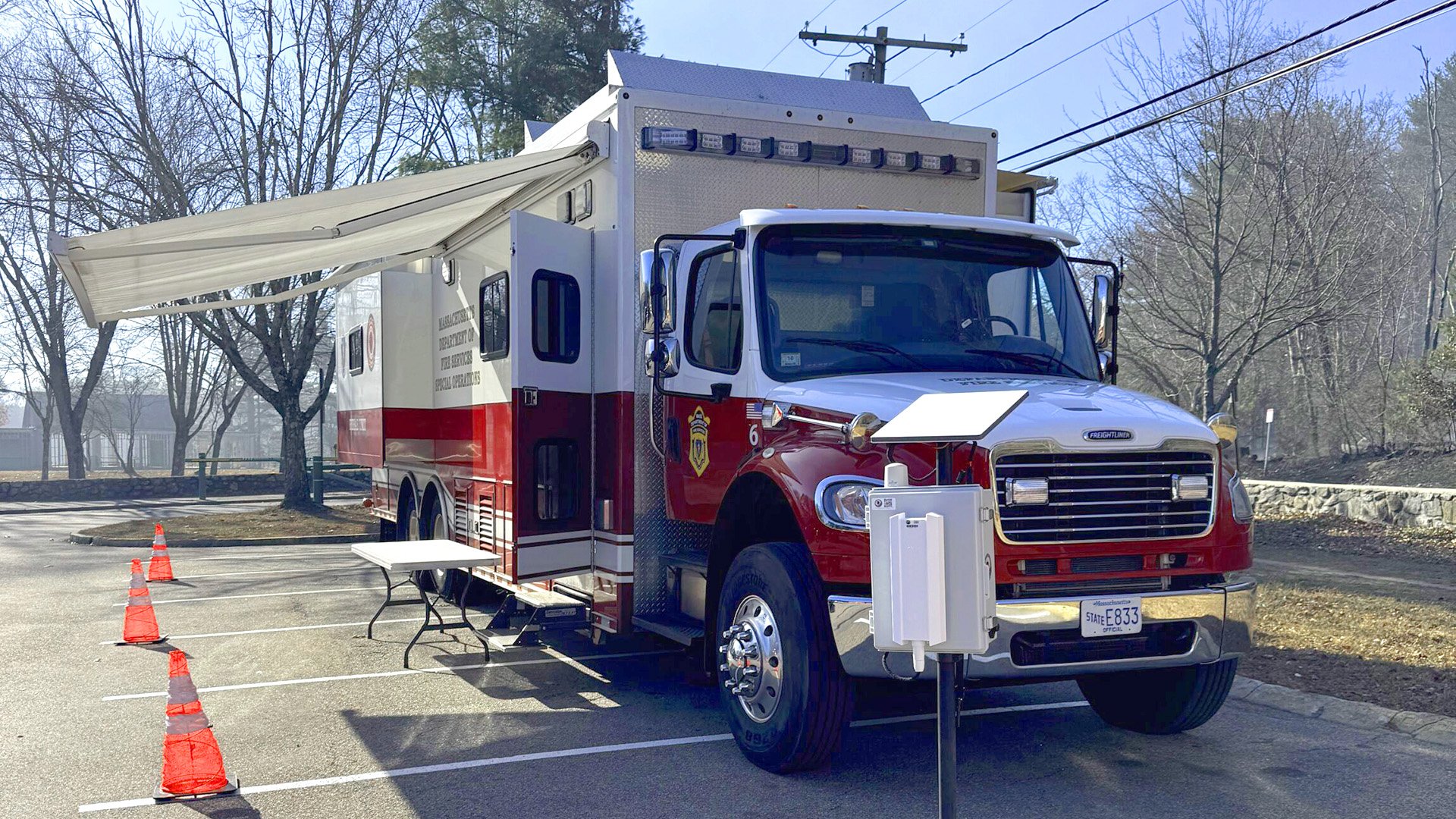
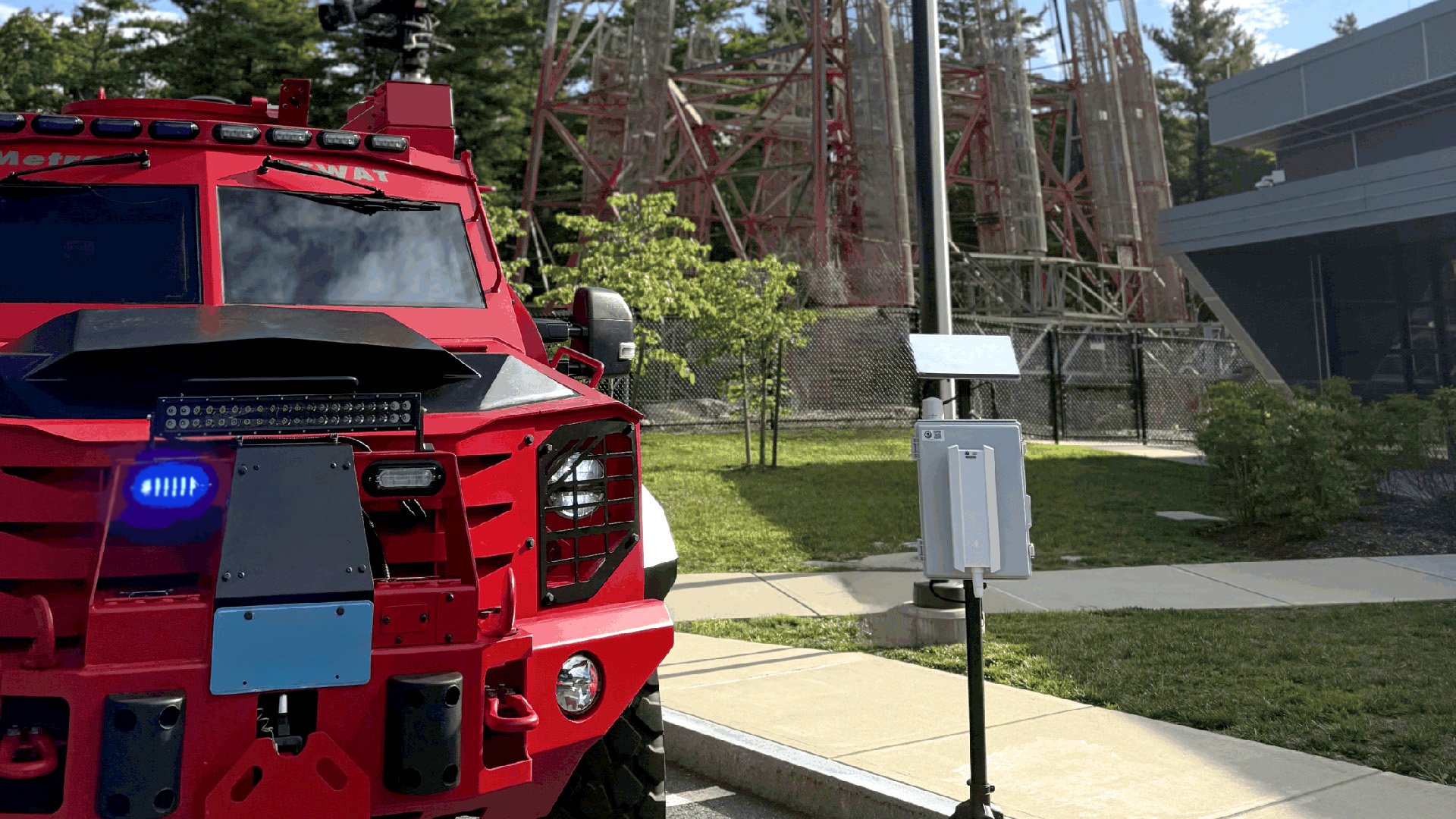
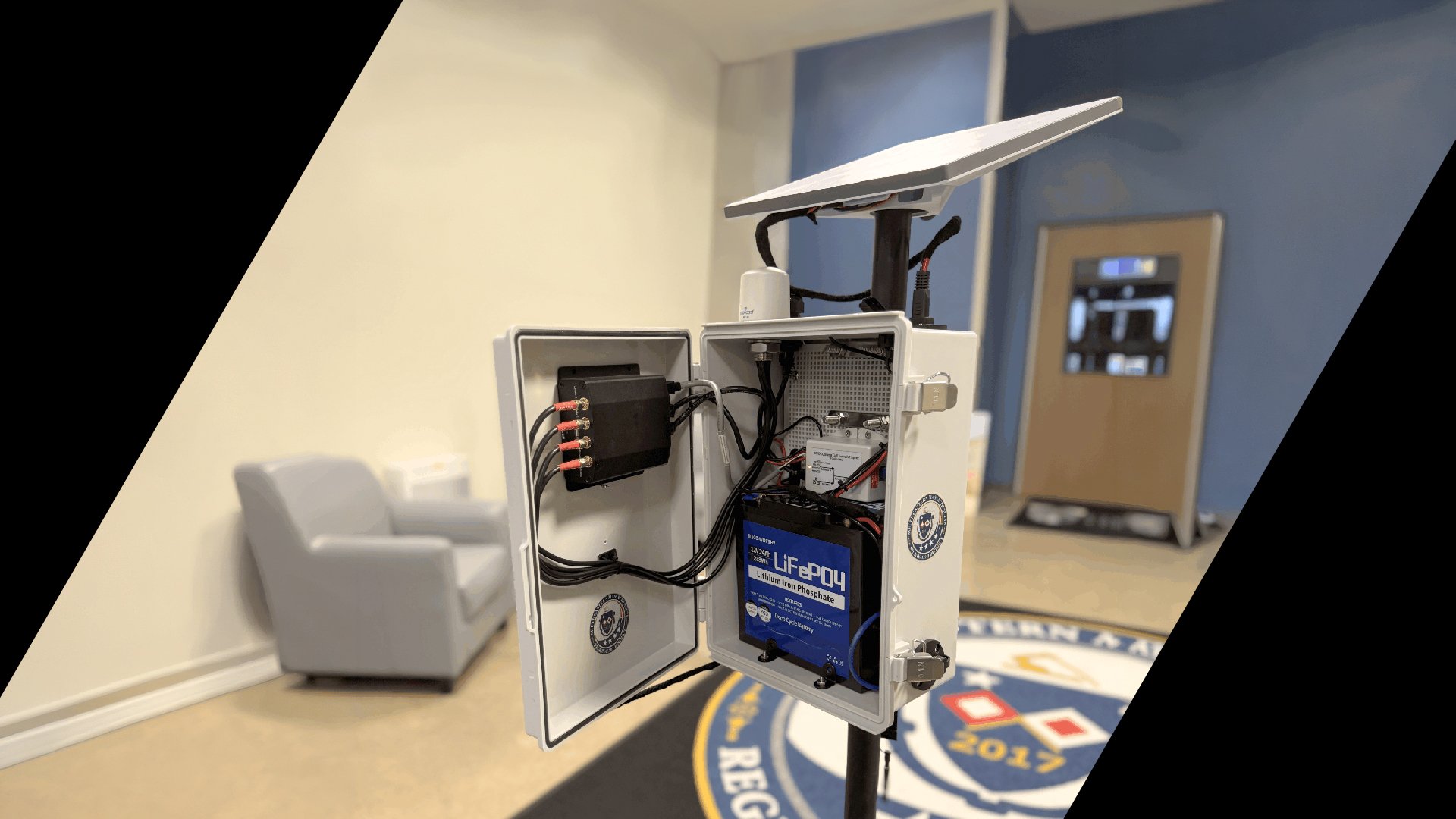
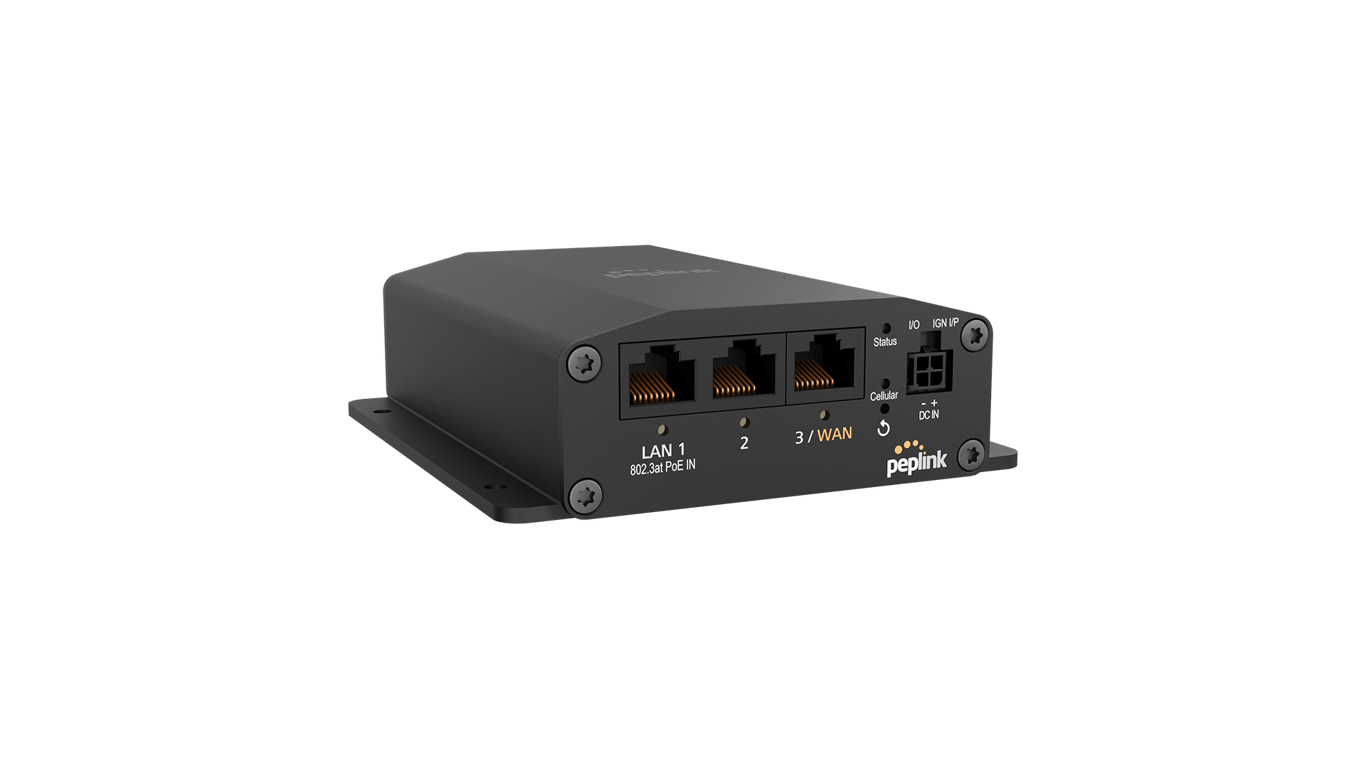
The BR1 Mini 5G and a Starlink Mini form a compact, self-contained communications hub. A weather-resistant enclosure holds the BR1 Mini 5G and a battery. The unit mounts on a lightweight tripod next to the response vehicle, with the Starlink dish on top. It weighs under 15 pounds and runs up to 12 hours on battery, so a crew can carry it in, set it up, and redeploy it without relying on power or network infrastructure at the scene.
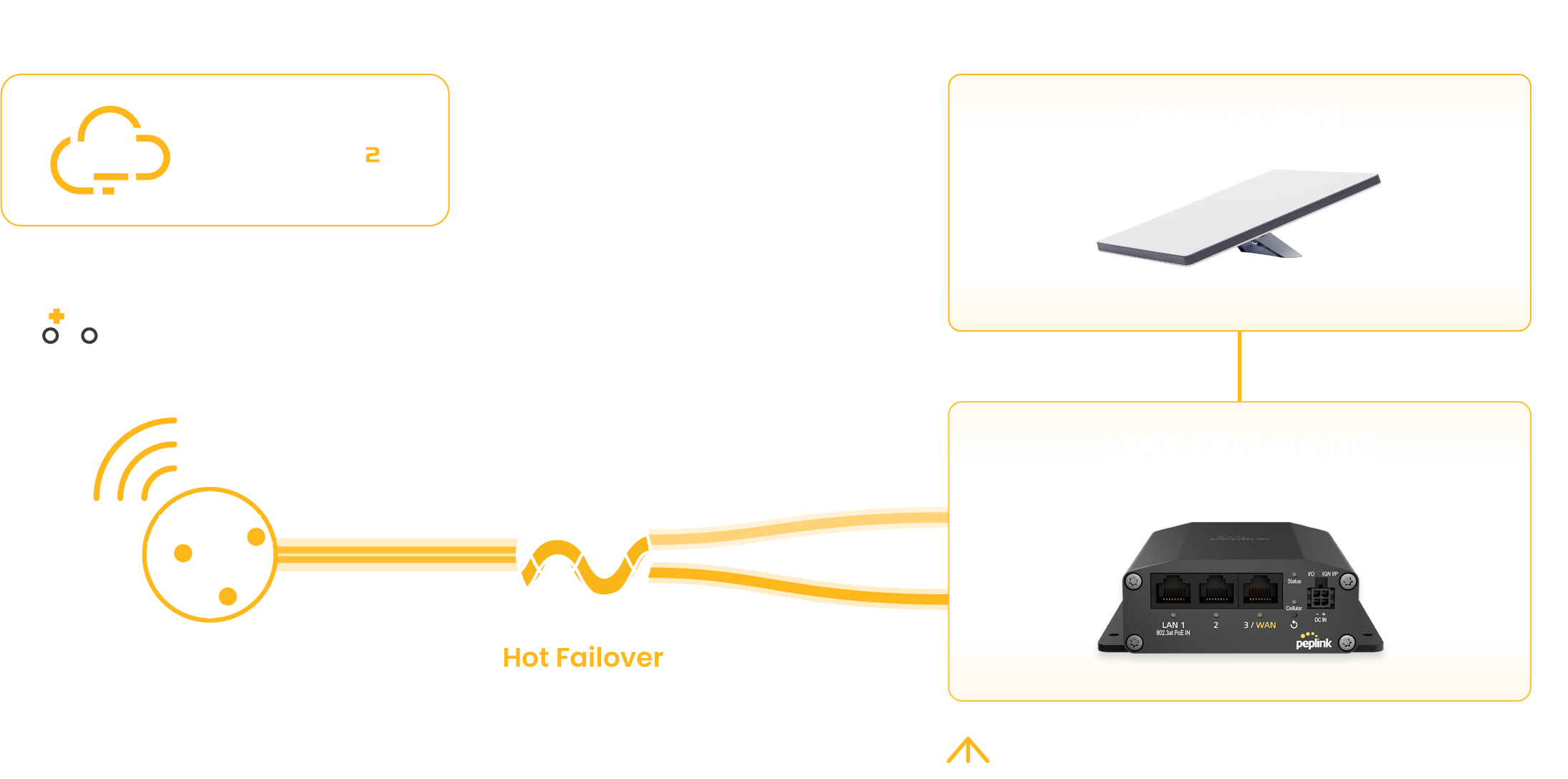
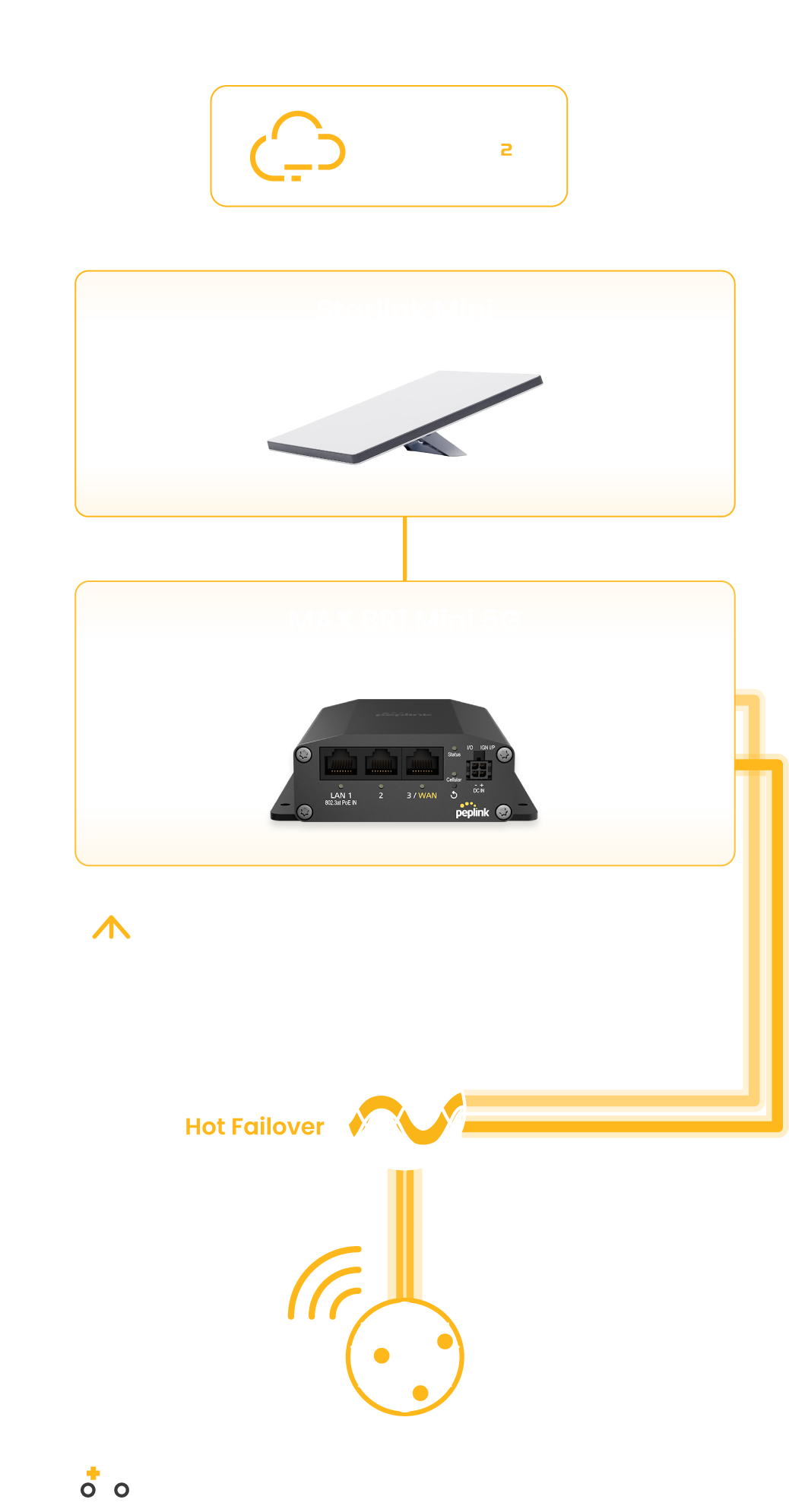
The unit runs on two networks, 5G and Starlink. Peplink SpeedFusion Hot Failover keeps both connected at the same time. When one of the links fails, SpeedFusion moves traffic to the healthy link without dropping the active session, so connectivity holds even in harsh field conditions.
InControl brings every deployed unit into a single cloud management platform. Support staff can review WAN quality and bandwidth usage from one dashboard and open any unit's web admin remotely, without going to the scene.

The Result

Setup in Minutes and 150–300 Mbps of Uninterrupted Connectivity

With the portable hybrid network in place, SEMRECC's field communications no longer depend on what the scene provides. A crew brings up a mission-ready field network within minutes of arrival, and the unit holds 150–300 Mbps of consistent throughput as conditions change from one scene to the next. That supports high-bandwidth applications such as live video streaming, VoIP, and GIS mapping. If a link fails, Hot Failover keeps those sessions online. With InControl, support staff can handle a problem anywhere in the service area without a site visit.
Together, these let emergency teams respond swiftly, coordinate effectively, and protect public safety during critical operations.

Deployment Architecture

FAQs

Q1. How does Peplink support an emergency communications network in remote or disaster-affected areas?
A.
Peplink routers with SpeedFusion Hot Failover keep a portable emergency communications network online by holding two WAN sources, such as 5G and Starlink, connected at once. Traffic runs through a SpeedFusion tunnel to Peplink's cloud or a FusionHub, so if the link carrying it fails, Hot Failover moves it to the healthy link and active sessions stay online. A crew can arrive at a scene with damaged towers, intermittent coverage, or no cellular service at all and still establish a connection over Starlink, as long as the dish has a clear view of the sky.
Q2. How can a Peplink network be managed across multiple response vehicles deployed to different locations?
A.
InControl gives support staff a single screen for provisioning, monitoring, and managing every deployed unit across the service area. From there, the team monitors WAN quality and bandwidth usage across the fleet and can open any unit's web admin remotely instead of sending someone out. Because Hot Failover has already moved traffic to the healthy link in the field, support can work on the underlying issue rather than restore the link first.
Q3. How does Starlink's satellite connection work together with Peplink's network?
A.
The Starlink Mini connects to the BR1 Mini 5G as a WAN source, the same way a wired or cellular link would. SpeedFusion keeps both links connected inside one tunnel and moves traffic to the healthy link when one fails. Because the session runs through that tunnel, a video stream or call stays connected during the changeover.
Q4. What Peplink products are recommended for portable, rapid-deployment emergency response units?
A.
Portable emergency response units often pair a compact 5G router such as the BR1 Mini 5G with a satellite link such as Starlink Mini. SEMRECC's portable setup uses a BR1 Mini 5G paired with Starlink connectivity, and InControl can manage every unit from one dashboard. Larger mobile command centers typically call for additional hardware, such as the MBX Series, which carries up to four cellular modems and bonds them into one high-bandwidth connection with SpeedFusion. For more real-world examples, see how Contrivian supported first responders during the Palisades and Eaton Fires, and how Protection & Rescue Zurich built a mobile command center with Peplink.

Next Steps

Looking for a Connectivity Solution?

Whether you're planning an event, a remote deployment, or a complex network, our team can help you find the right Peplink setup for the job.

Talk to a Specialist

Got a Peplink Deployment Story?

If you've built something impressive with Peplink, we want to hear about it. Share your project with us and we'll help turn it into a case study.

Share Your Story

Contact Us