Summary
The Challenge
The Solution
The Result
Testimonials
Deployment Architecture
Featured Products
FAQs
Next Steps
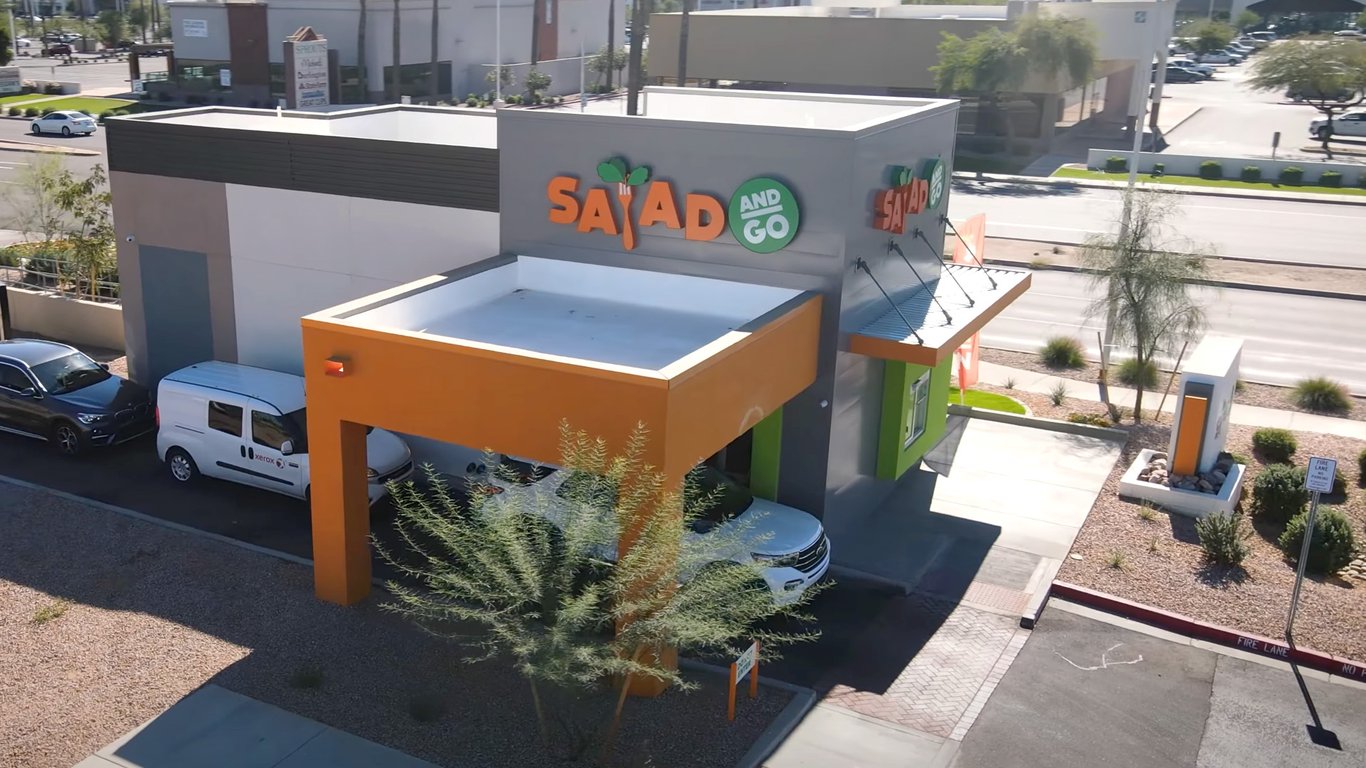
Aerial view of a Salad and Go drive-through restaurant with cars in the drive-through lane.

Back to List

Aerial view of a Salad and Go drive-through restaurant with cars in the drive-through lane.

Salad and Go Deployed Restaurant Internet Connectivity in Hours with Peplink Dual 5G

In early 2023, Salad and Go needed restaurant internet connectivity for a new store it was building in the Phoenix area, close to where the Super Bowl would be played. The broadband provider said the line wouldn’t be ready in time, and the build would cost $56,000. Peplink reseller West Networks had it running on dual 5G in under 48 hours, and every new store after it followed the same path.

Summary

Organization

Salad and Go, drive-through restaurant chain (US)

Application

Dual 5G primary internet for new restaurant locations, replacing broadband

Solution Provider

West Networks (Peplink Reseller)

Peplink Deployment

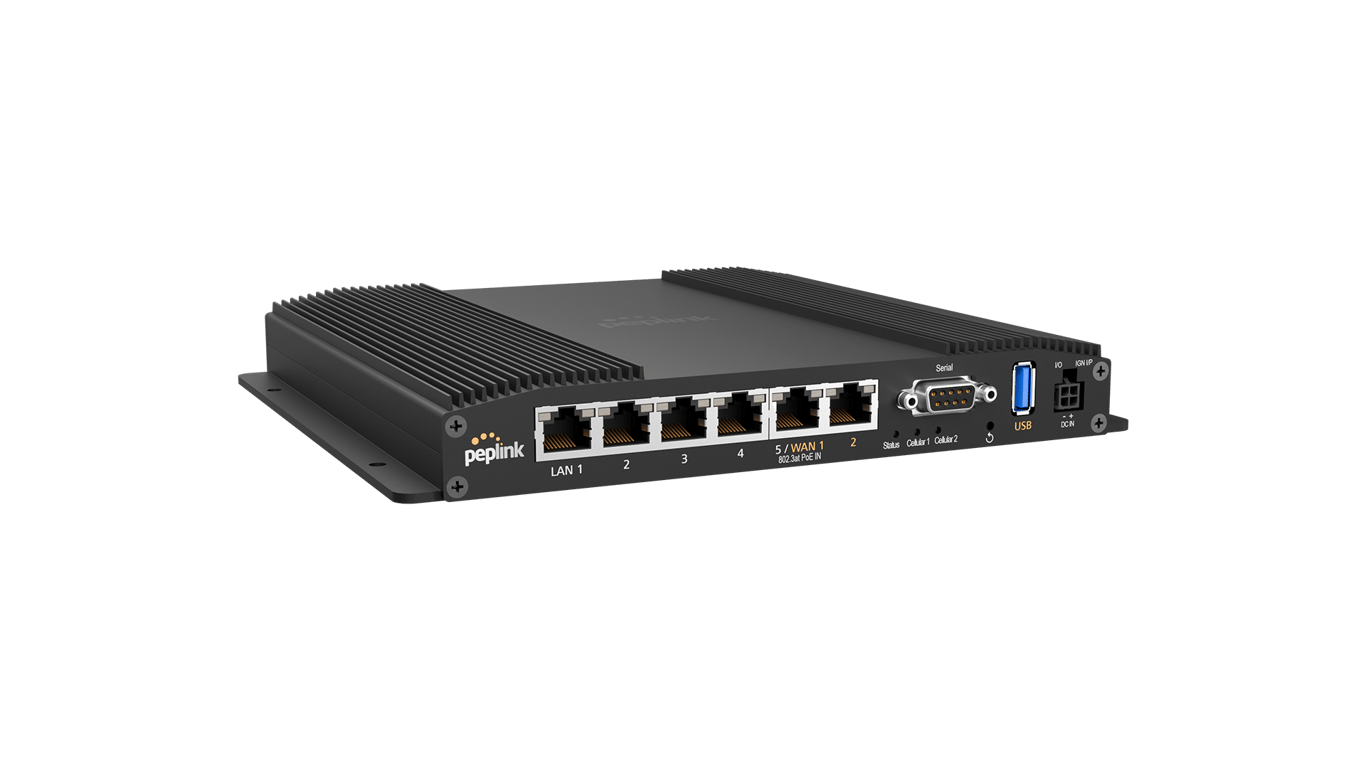
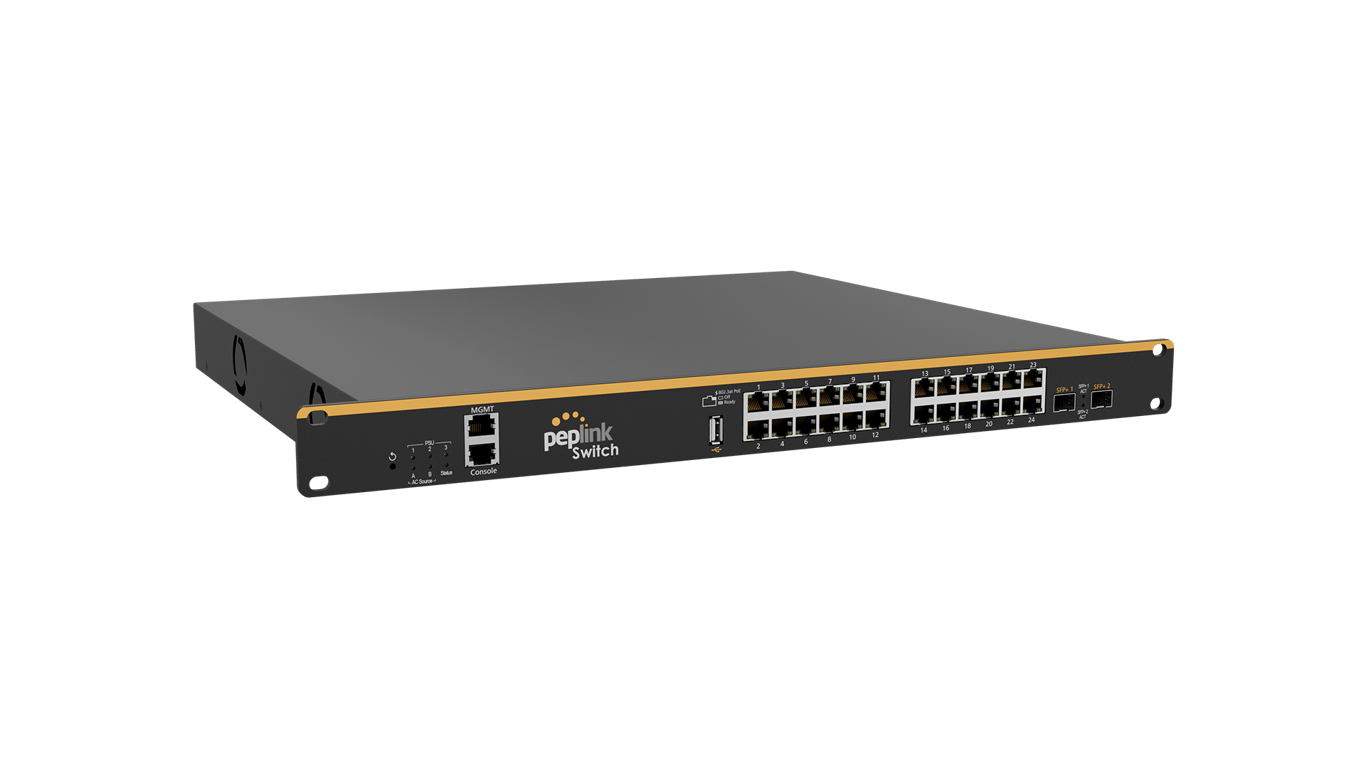
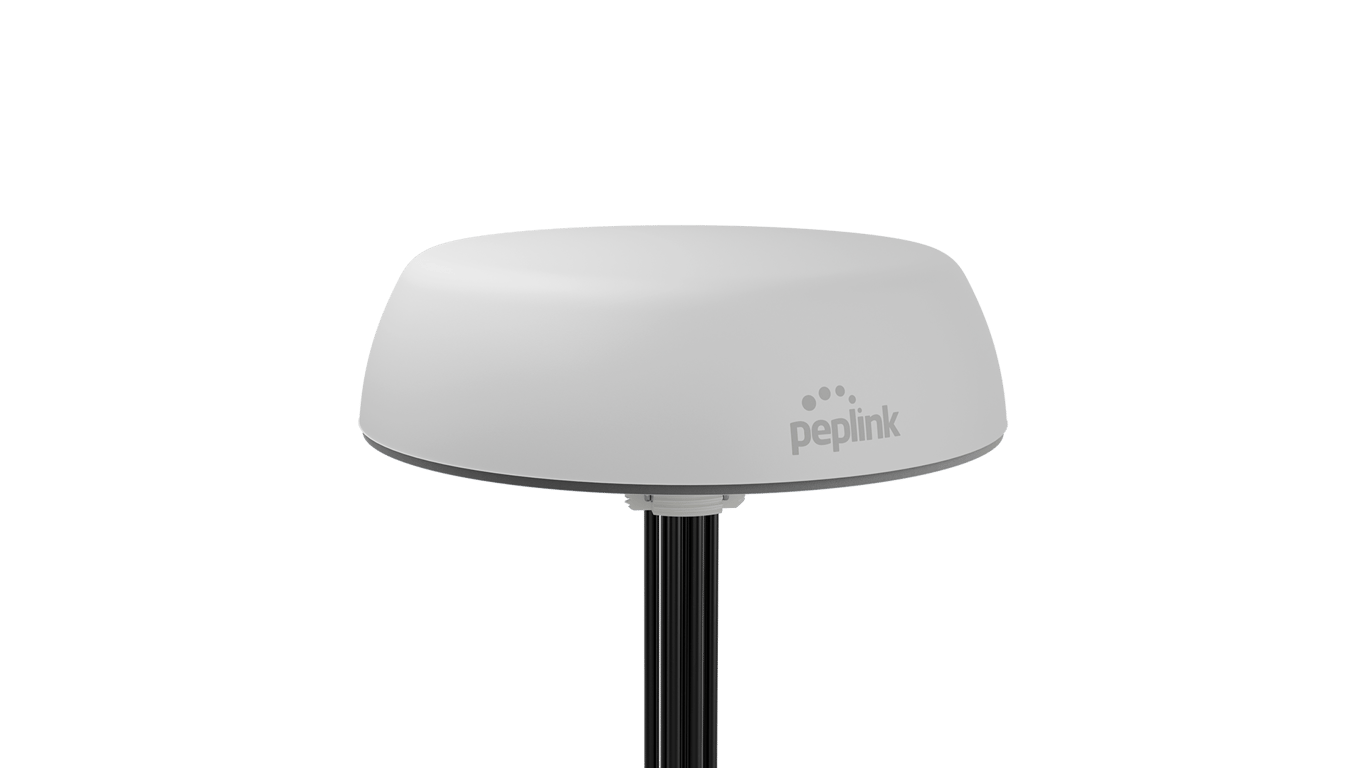
BR2 Pro, SD Switch 24-Port Rugged, and Mobility 42G

Project Scope

New stores for a 140-location chain adding 50 to 100 stores a year (2023 to 2024)

Outcome

Setup cut from four to six months to hours; up to $20,000 construction saved per site; zero Peplink support tickets in over a year

Salad and Go logo.
By 2024, Salad and Go ran 140 drive-through restaurants across multiple states and was adding 50 to 100 new stores, each one needing its own network.
Ordering, POS payments and store communications all ran over that network. For that to work, each new store had to be online on opening day and stay online. That’s why Salad and Go relied on Peplink, deployed by West Networks, to connect its new restaurants over dual 5G instead of broadband.

The Challenge

The Challenge: Restaurant Internet Connectivity Held Back by Broadband Builds

Every new store needed a broadband line, and every line meant construction and trenching. A build usually took four to six months, and most finished late. Construction cost $10,000 to $20,000 per site, and the construction team met with broadband providers every week to keep projects moving.
Once the line was in, it still wasn’t dependable. Stores ran a broadband router with a cellular backup on basic paddle antennas. When that setup went down, online orders stopped, and online orders made up 20% of the business.
The goal was to keep every store online 100% of the time. Then came the Super Bowl store. The provider couldn’t deliver on time, and the construction quote came in at $56,000, the highest construction bill the chain would ever have paid.

The Solution

The Solution: Dual 5G Package in Place of Broadband at Every Restaurant

Brian Steele, who led IT infrastructure, security and operations at Salad and Go, went looking for a reliable dual-cellular 5G option. He searched for “unbreakable internet,” and that search led him to Peplink. Within 15 minutes of filling in the contact form, he had an email from Peplink introducing partner West Networks. Less than 20 minutes after that, Peter West of West Networks was on the phone. In under 48 hours, West Networks had dual-5G internet running in the Super Bowl store.
The BR2 Pro carries two 5G modems, so each store ran on two cellular connections from major US carriers at the same time. There’s no physical line to build, so a store can go live as soon as the router has power and signal. If one connection has a problem, traffic moves to the other and the store stays online.
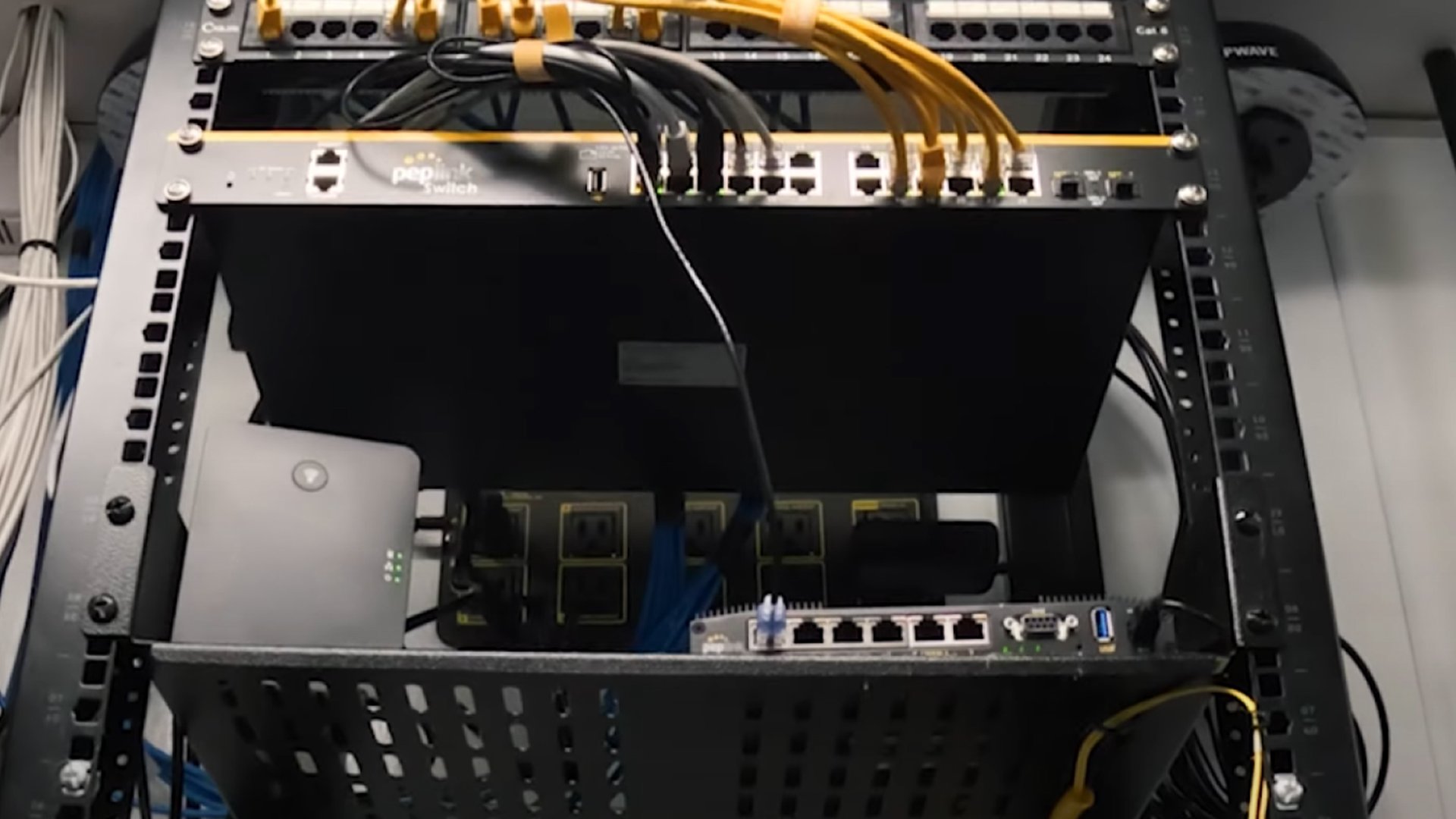
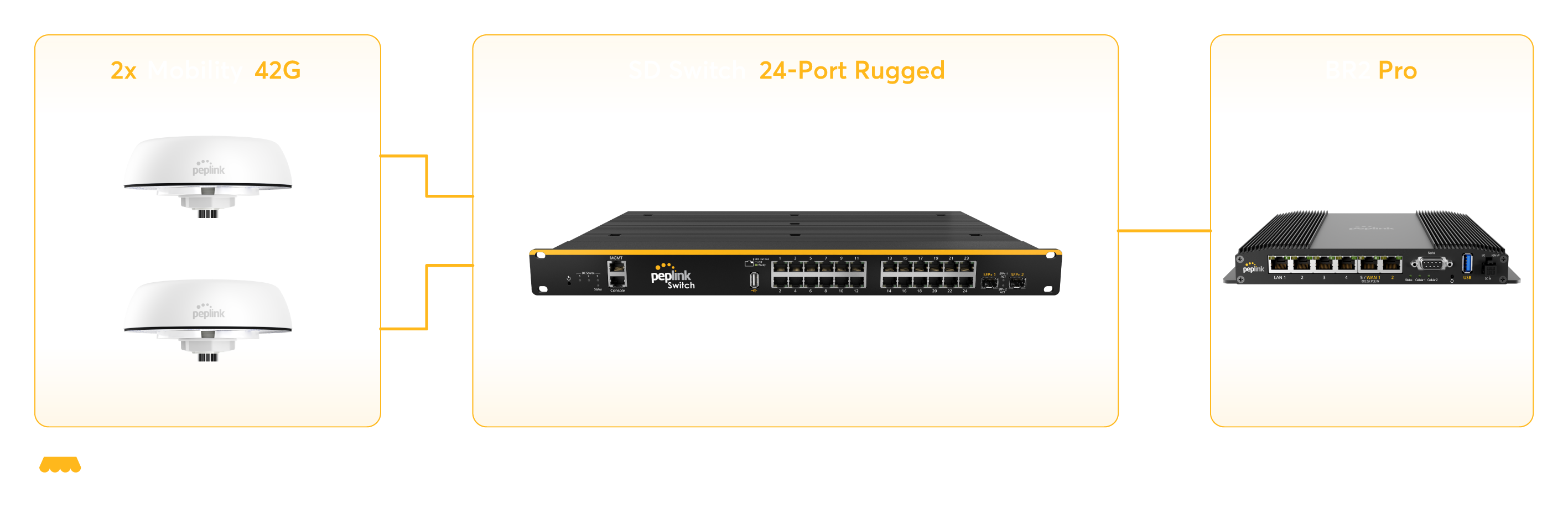
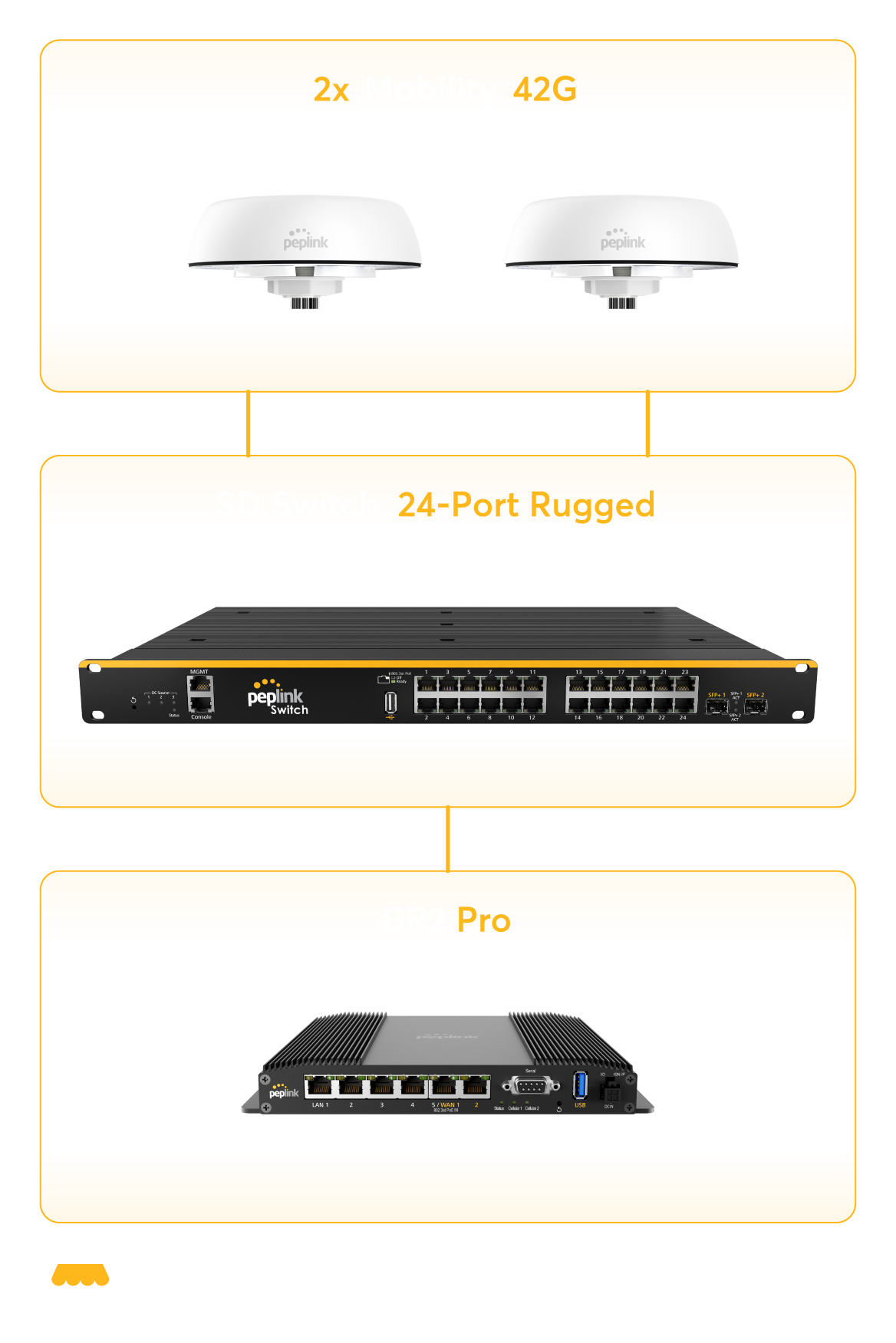
Two Mobility 42G antennas, each with four cellular elements, strengthen 5G reception at the store. The SD Switch 24-Port Rugged connects the router to the store’s wired devices and powers PoE devices over the same cable.
Router, antennas and switch make up one standard setup that Salad and Go used at new stores from then on, so no store needed a custom network design. Most of the on-site time went to mounting the antennas and finishing setup.

The Result

The Result: Months to Hours, Up to $20,000 Saved per Store, Zero Support Tickets

Getting a new store online dropped from four to six months of construction to four to six hours, install included. With no trenching, Salad and Go saved $10,000 to $20,000 in construction per location, and the weekly broadband meetings ended.
Monthly costs got simpler too. Some broadband builds had to be paid up front or spread over five years, and Steele says that left stores paying three to four times as much per month. With 5G, each store ran on unlimited cellular plans at a fixed monthly cost. In a quick service business, where store operating costs drive profitability, a fixed monthly cost per store matters.
Reliability held up as well. Salad and Go went more than a year without a single Peplink support ticket, keeping stores online and the revenue flowing. The chain canceled all future broadband contracts and later brought West Networks back to help design its corporate offices and central kitchens.

Testimonials

Our store operators love it because we haven't had a Peplink support ticket for over the year we've been using it. It's a full enterprise product and I'd recommend it. I wish I had it years ago. We canceled all future broadband contracts and we've never installed another line since then.

Brian Steele
IT Infrastructure, Security & Operations, Salad and Go
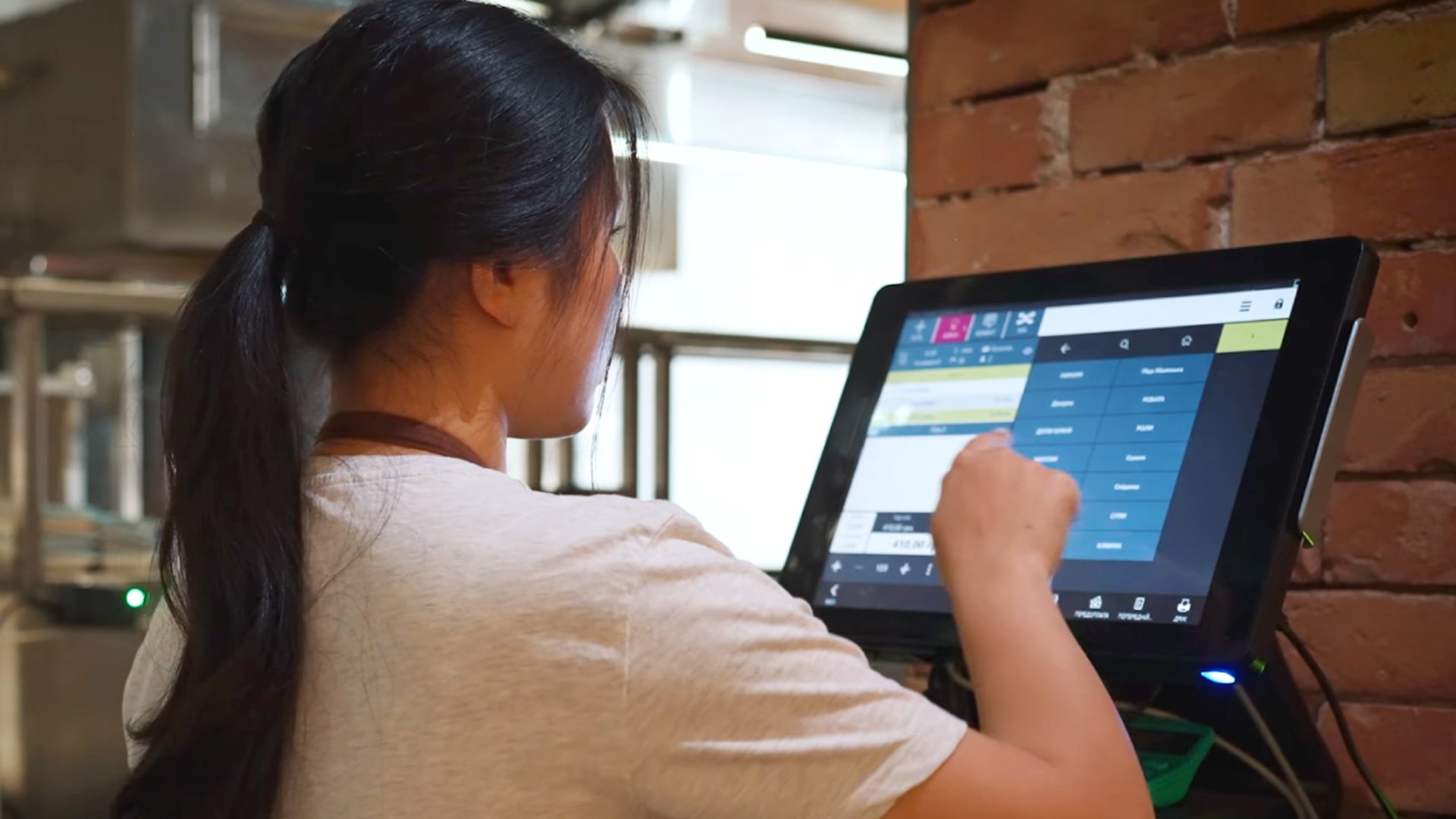
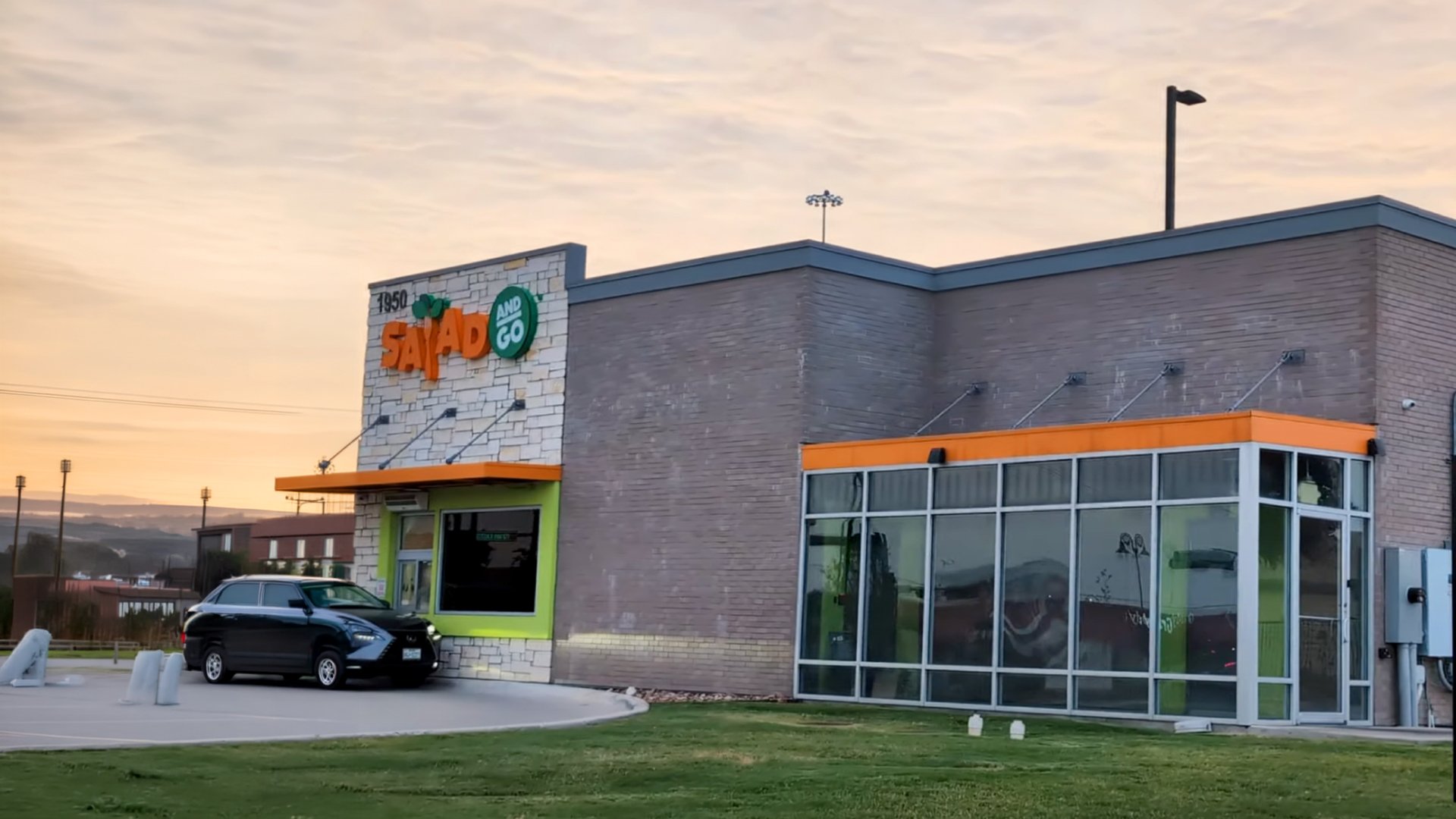
Exterior of a Salad and Go drive-through restaurant at sunset, one of the chain's locations running on dual-5G restaurant internet connectivity.Restaurant staff member taking an order on a touchscreen POS terminal. Network rack at a Salad and Go restaurant with a Peplink SD Switch 24-Port Rugged and Peplink BR2 Pro router.

Deployment Architecture

Network diagram of a Salad and Go branch, showing two Mobility 42G antennas and a BR2 Pro connected through an SD Switch 24-Port Rugged.Network diagram of a Salad and Go branch, showing two Mobility 42G antennas and a BR2 Pro connected through an SD Switch 24-Port Rugged.

FAQs

Q1. How do two 5G connections keep POS and payment systems online at a restaurant?
A.
A dual-5G router such as the Peplink BR2 Pro can run two 5G connections on two different carrier networks at the same time. If one connection has a problem, traffic moves to the other, which helps keep POS terminals, online orders, and store communications connected.
Q2. What is the best approach to restaurant internet connectivity for a multi-location chain?
A.
A repeatable approach is a standard cellular setup that installs the same way at every site. Cellular removes the biggest variable in a new store opening, because a router with its own 5G connections does not wait on a broadband build. Salad and Go used the same BR2 Pro, switch, and antenna pair at each new restaurant, which cut setup from four to six months to hours and removed $10,000 to $20,000 of construction cost per site.
Q3. How much does it cost to replace broadband with 5G at a restaurant?
A.
Replacing broadband with 5G swaps an upfront or financed construction cost for a fixed monthly cellular plan. For Salad and Go, broadband construction ran $10,000 to $20,000 per site, while cellular plans provided unlimited bandwidth at a fixed per-store cost each month. A fixed per store cost is especially valuable for quick service restaurants, where store operating costs drive profitability. Carrier pricing varies by region and data allowance, so the total differs from one location to the next. For an estimate based on your sites and requirements, talk to a Peplink specialist or find a Peplink certified partner.
Q4. Why does a dual-5G setup install in hours when broadband takes months?
A.
Most of the four to six months a broadband build takes goes to construction, because the line has to reach the building before the site has any connection. A cellular router skips that step, since it connects as soon as it has power and a signal. The hours that remain go to mounting the antennas, running cables to in-store devices and letting InControl push the router’s configuration. For more real-world examples, see how Peplink keeps more than 80 Panos stores online for ordering and POS, or how a fast food chain connected more than 1,000 branches.

Next Steps

Looking for a Connectivity Solution?

Whether you're planning an event, a remote deployment, or a complex network, our team can help you find the right Peplink setup for the job.

Talk to a Specialist

Got a Peplink Deployment Story?

If you've built something impressive with Peplink, we want to hear about it. Share your project with us and we'll help turn it into a case study.

Share Your Story

Contact Us