Back to List
Peplink Powers AI-Driven Construction at Mega Scale
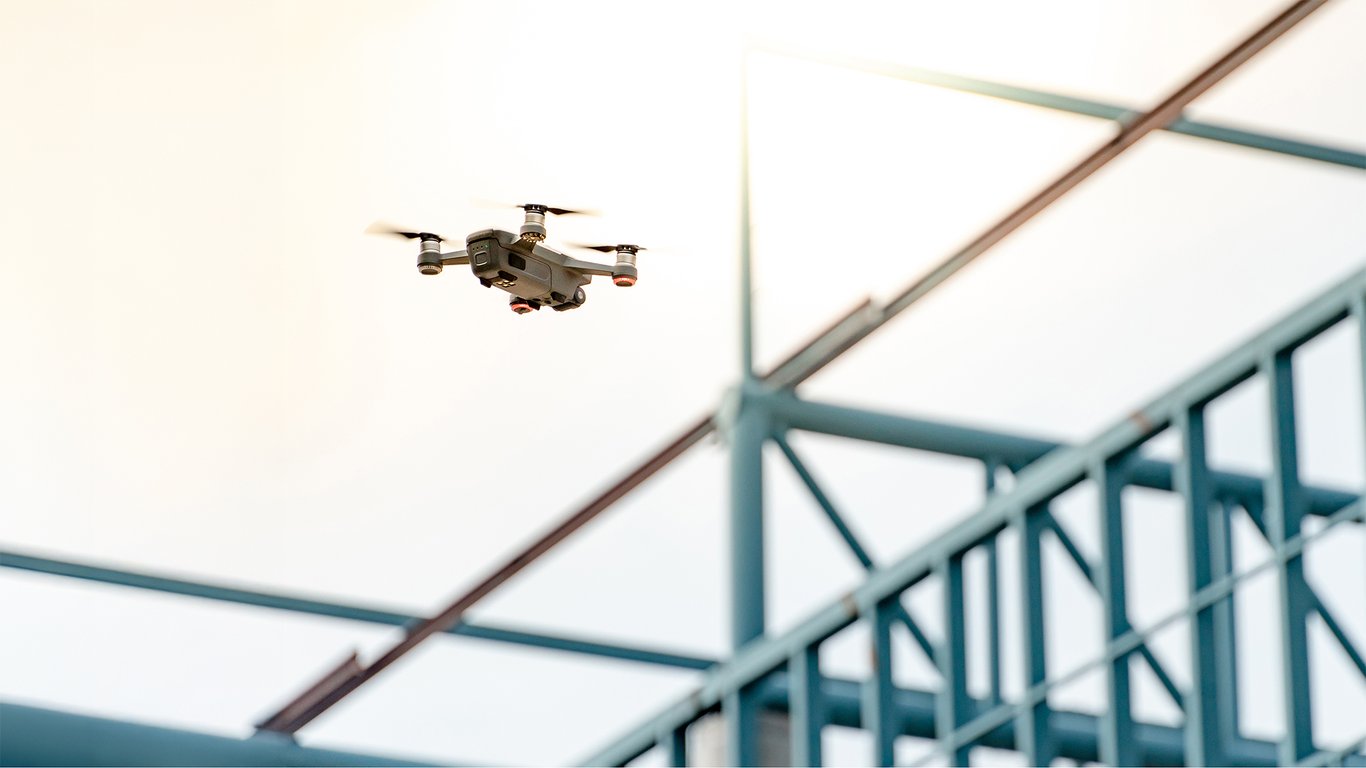
One of the world's leading semiconductor manufacturers is using drones, AI-powered cameras, sensors, and connected vehicles to support environmental planning and site safety across its large-scale construction sites. Peplink provides the connectivity backbone that keeps these systems reliably connected.
Summary
Organization
One of the world’s leading semiconductor manufacturers
Application
AI-powered site safety, environmental planning, and digital twin applications
Solution Provider
NetBridge Technology (Peplink Distributor)
Peplink Deployment
Balance 310, BR1 Pro 5G, Antenna MAX, BR1 Mini 5G, SpeedFusion, and InControl
Project Scope
Multiple large-scale construction sites spanning 50 to 200 hectares
Outcome
A repeatable connectivity model supporting AI-powered smart construction
A single mid-size foundry construction site sees 6,000 to 8,000 workers every day, and across the region, the manufacturer's concurrent builds involve as many as 15,000 workers at once. To keep these busy sites safe, the manufacturer is adopting AI-powered systems that can detect risks and respond in real time.
Construction on this scale demands careful environmental planning to minimize its impact on surrounding ecosystems, including migratory bird habitats. That means continuous surveying and monitoring of the terrain and site conditions.
Both efforts depend on reliable connectivity to move data from the field, often before any permanent infrastructure exists. Peplink provides that connectivity across every site.
The Challenge
Reliable 5G for AI Applications from Day One
The network had to be in place before construction began. Drone-based environmental planning started before any permanent infrastructure existed, and mobile equipment such as forklifts needed to stay connected throughout the project without a fixed line. Cellular connectivity had to do the heavy lifting from day one.
The applications also placed heavy demands on the uplink. Each forklift carried IR, light, and vibration sensors plus IP cameras, feeding AI safety applications that detect risks and trigger alerts in real time. An AI-powered electronic fence watched for unauthorized entry. All of it pushed large volumes of video and sensor data from the field back to the site's systems, and any delay could undermine the very safety the network existed to protect.
Scale compounded the challenge. Hundreds of connected devices had to operate reliably at the same time, across sites ranging from 50 to 200 hectares, with consistent performance wherever they were deployed.
The Solution
A Scalable 5G Architecture Built for Performance
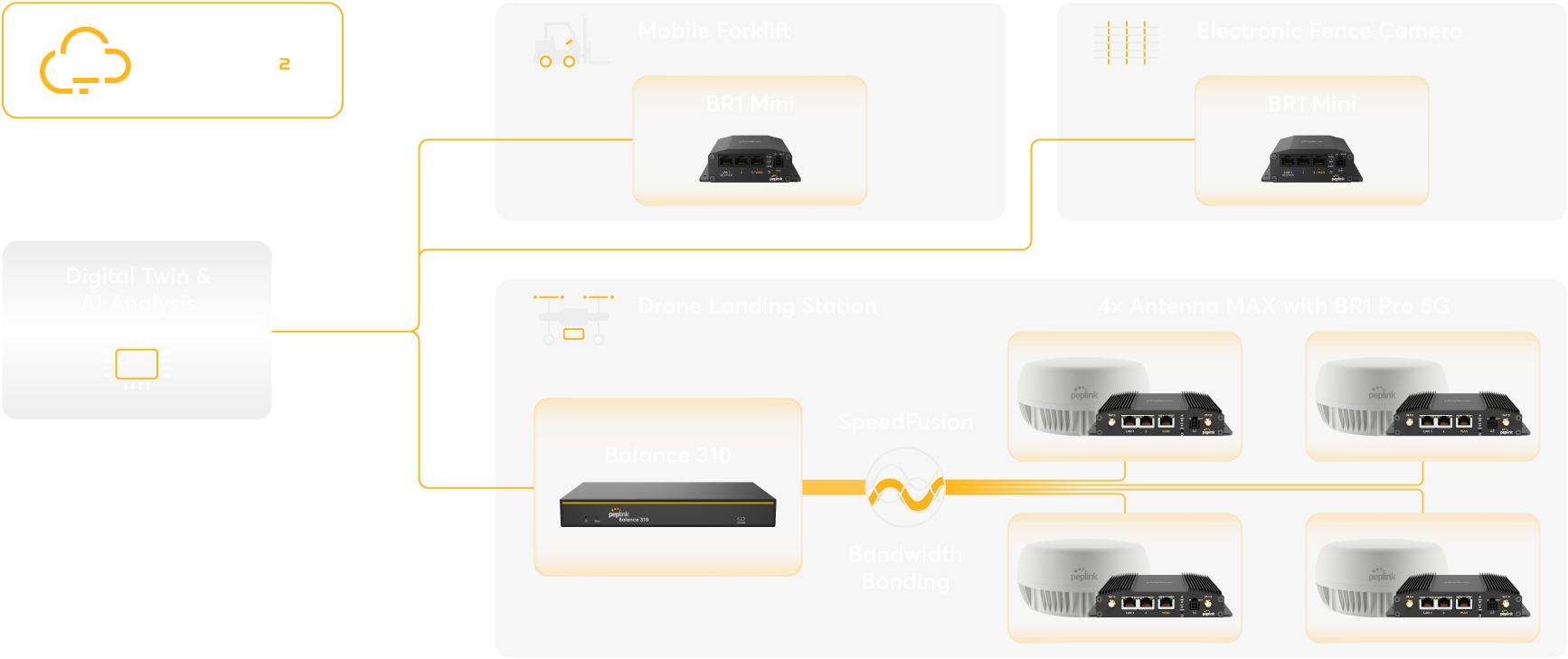
Working with NetBridge Technology, the manufacturer deployed a Peplink-based cellular network that connected both fixed and mobile applications without relying on permanent infrastructure.Two problems had to be solved in order: signal quality first, then capacity.
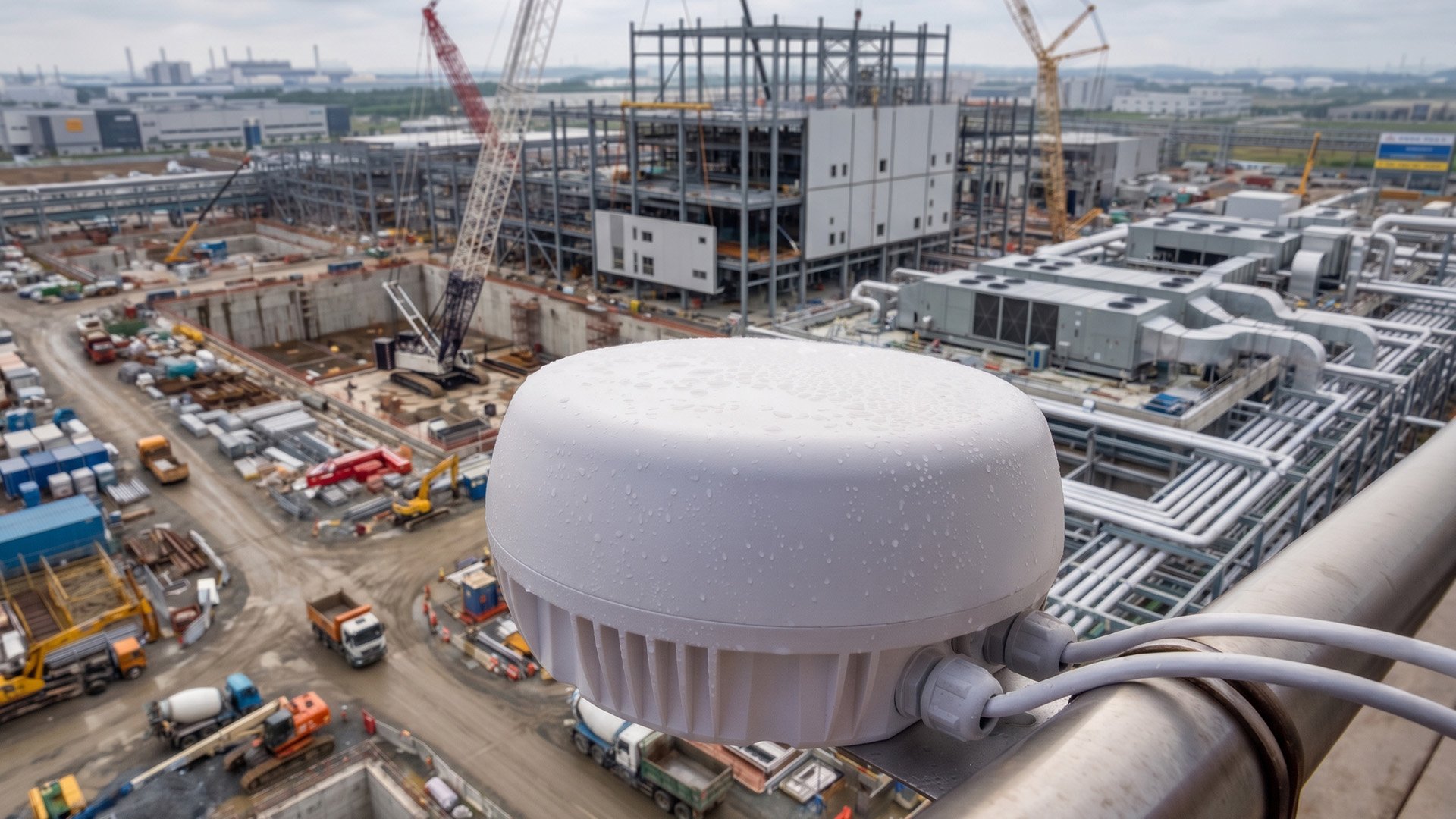
At drone landing stations, a Balance 310 was connected to four BR1 Pro 5G routers, each paired with an Antenna MAX to minimize cable loss and optimize 5G reception. SpeedFusion Bandwidth Bonding aggregated the four 5G connections into a single high-capacity link, delivering the uplink needed to move large drone survey files from the field.
On the mobile side, each forklift and electronic fence camera ran on a BR1 Mini 5G, linking onboarding cameras and sensors locally with encrypted backhaul.
Across every site, InControl gave the team centralized visibility and remote management of the entire Peplink fleet, keeping the architecture consistent as the deployment expanded.
The Result
Scaling AI-Powered Construction from 50 to 200 Hectares and Beyond
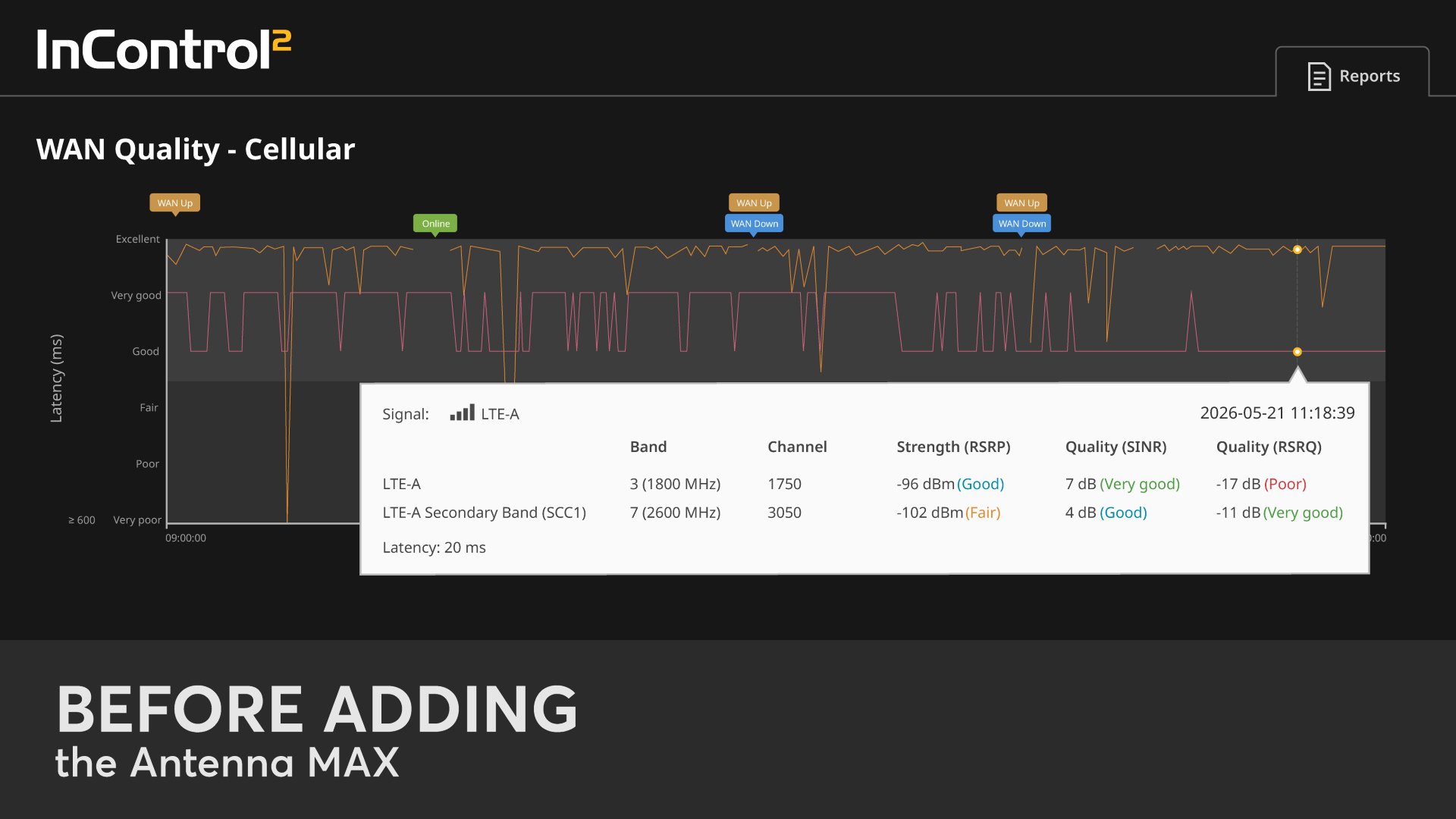
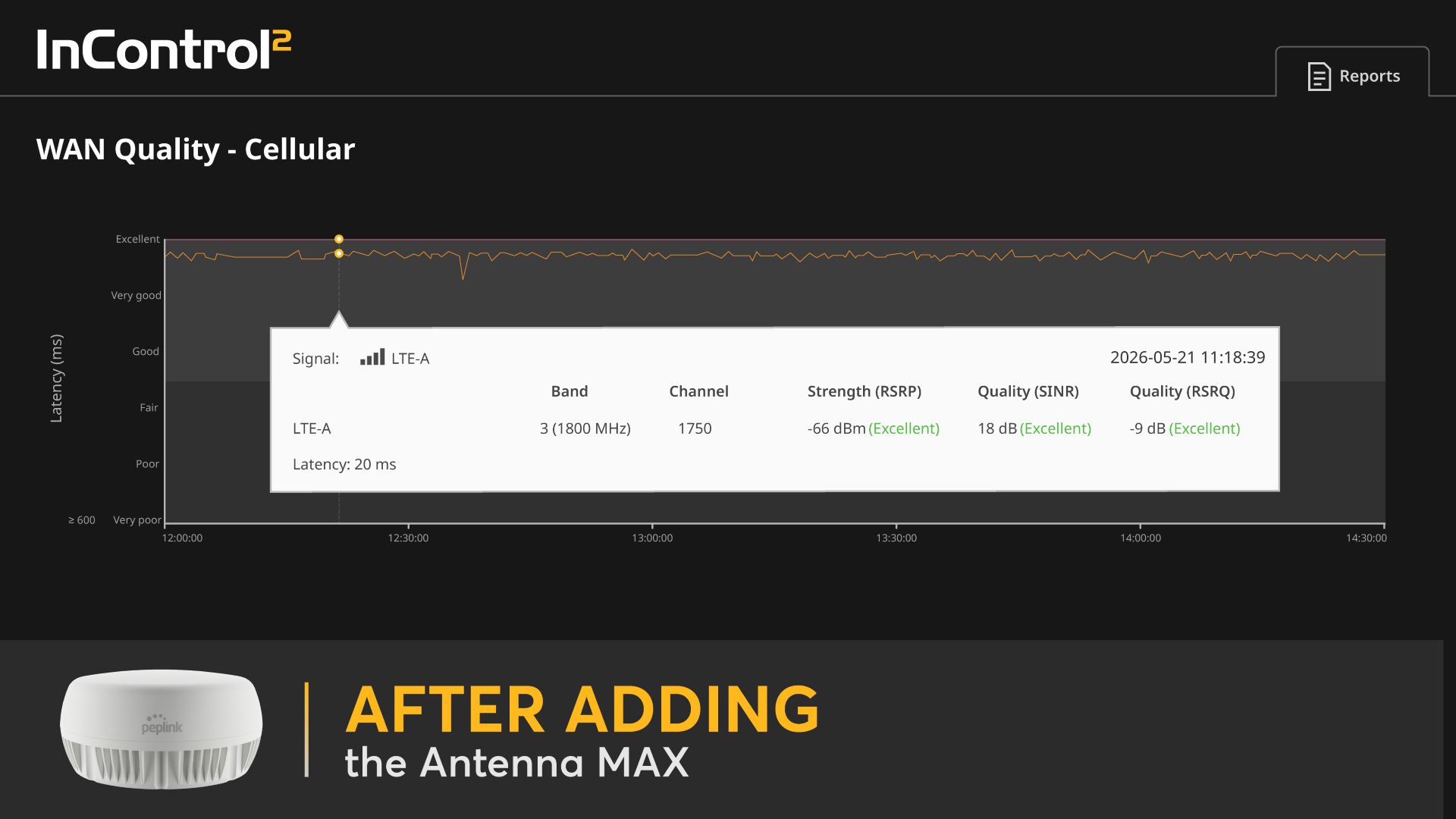
The Antenna MAX pairing delivered a measurable improvement in signal quality. Before installation, cellular conditions at the drone stations were marginal. Afterward, RSRP rose from -96 to -65 dBm and SINR from 7 to 18 dB, confirming a stable, high-quality uplink for transmitting large volumes of drone footage from the field.
With reliable uplinks, the site could act on its field data. For environmental planning, faster drone footage transmission supported terrain surveying and ongoing monitoring, helping keep new construction compatible with local ecosystems and migratory bird habitats.
On forklifts, live camera and sensor data fed AI safety applications that flagged risks and triggered alerts in real time. The same data streamed fed the site's digital twin, where AI models analyzed live conditions and tested "what-if" scenarios to catch hazards before they occurred. The digital twin is only as current as the data reaching it, which is why the uplink mattered.
Centralized management with InControl made it easier to operate and support the expanding multi-site network. What began on a single 50-hectare site extended successfully to multiple locations, including one spanning 200 hectares.
As the manufacturer accelerates construction of new foundries, the ability to quickly replicate connectivity across new sites becomes increasingly important. The Peplink network provides a repeatable model that can be deployed across temporary sites, mobile operations, and other connected construction environments, helping the manufacturer scale connectivity alongside its construction projects.
Testimonials
Peplink enabled NetBridge to address complex field connectivity requirements with a flexible and scalable solution. The platform allowed us to respond quickly to deployment challenges and provide our customer with a reliable architecture for temporary site operations and future expansion.
Netbridge Technology
Deployment Architecture
Featured Products
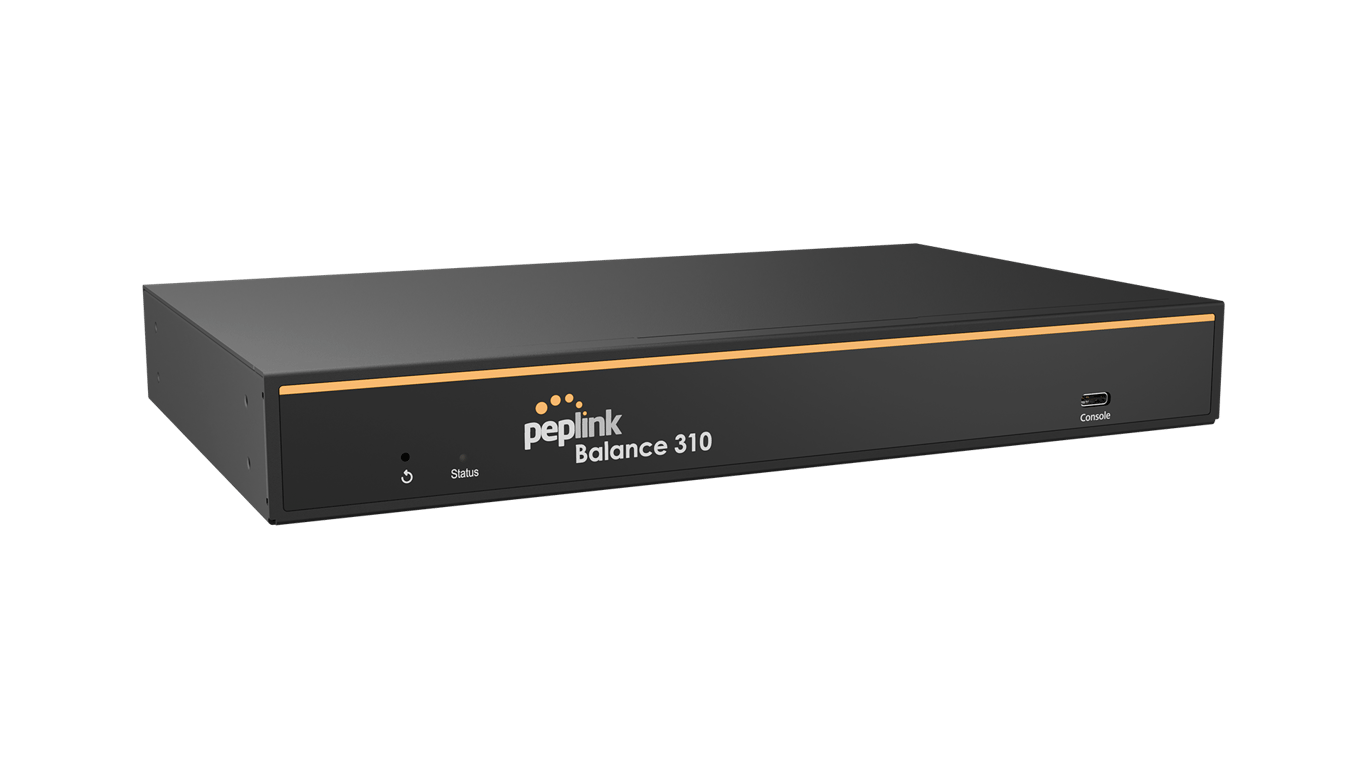
Balance 310
-
Acts as the aggregation hub at each drone landing station
-
Bonds the connections from four BR1 Pro 5G routers into a single high-capacity link
-
Delivers up to 1 Gbps of bonded throughput via SpeedFusion
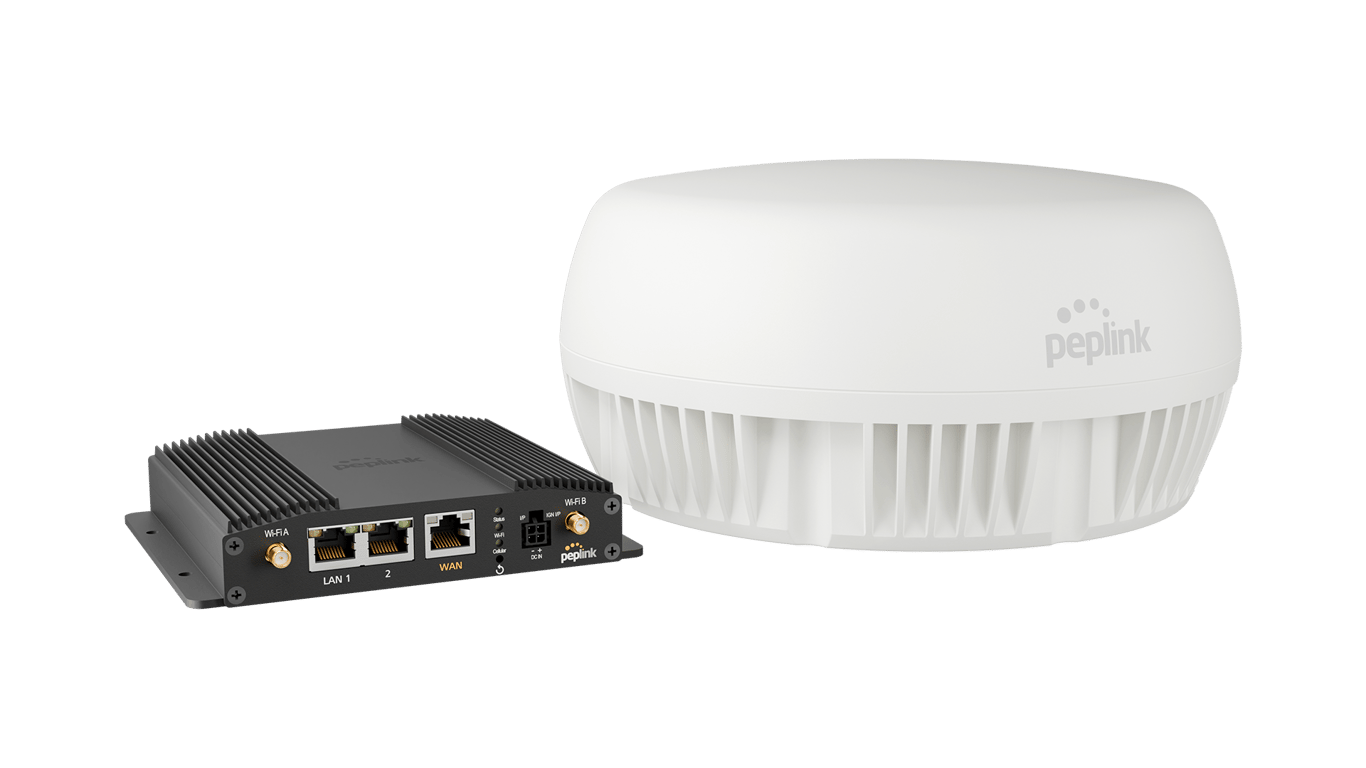
BR1 Pro 5G / Antenna MAX
-
Serve as the 5G WANs feeding the Balance 310
-
The pairing improves 5G signal reception and minimizes cable loss
-
Four are bonded per station through SpeedFusion to maximize uplink capacity
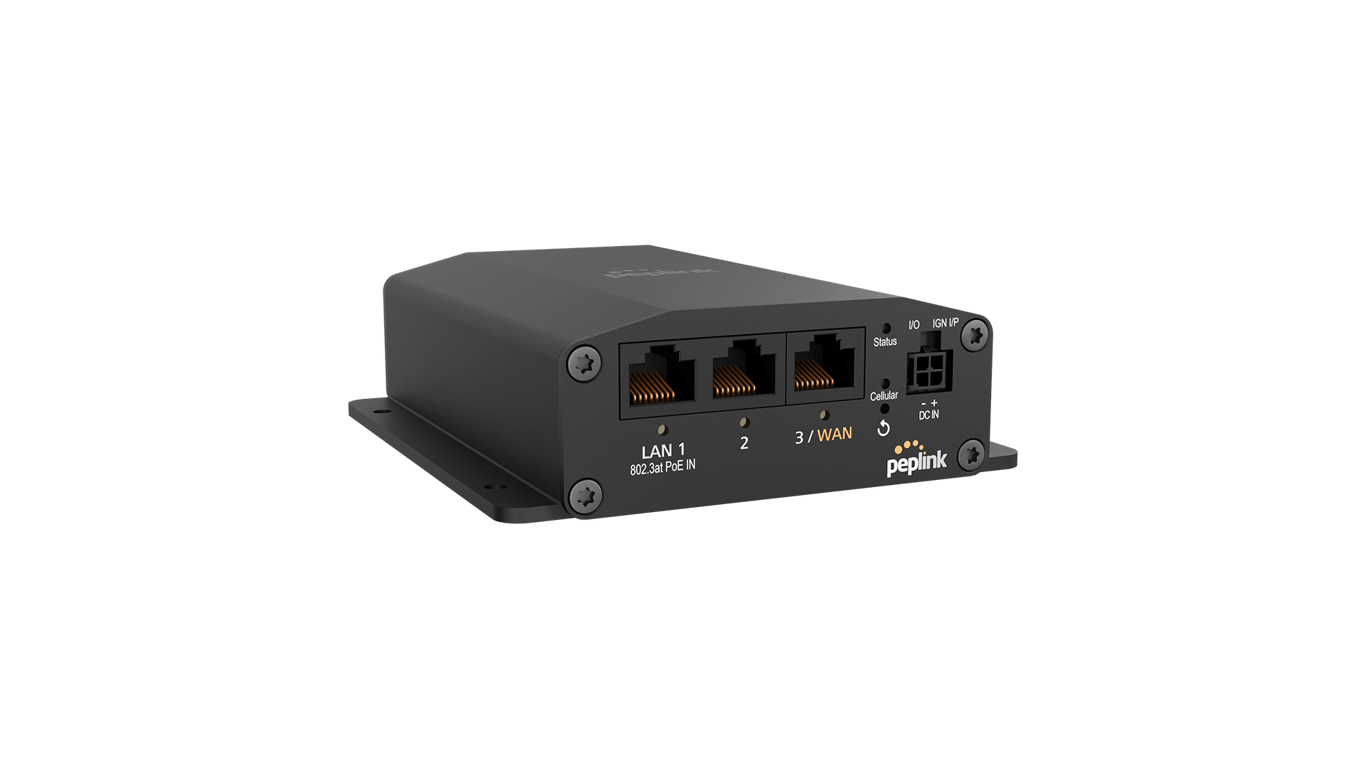
BR1 Mini 5G
-
Equips forklifts and electronic-fence cameras with compact 5G connectivity
-
Links onboard cameras and sensors locally over Wi-Fi, with 5G backhaul
-
Secures field data transmission with encrypted backhaul
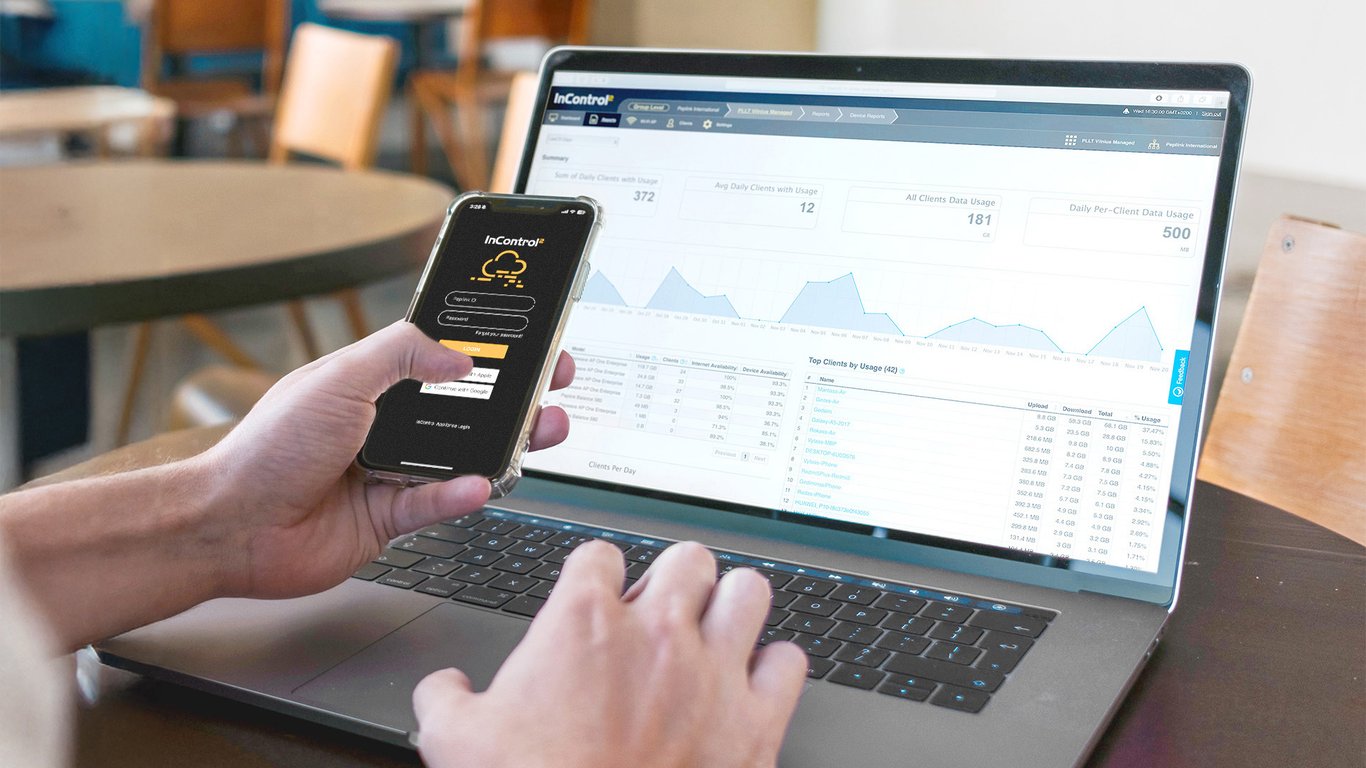
InControl
-
Centralizes visibility and remote management of the Peplink fleet across multiple construction sites
-
Enables the team to monitor network status and support devices remotely
-
Helps maintain a consistent network architecture as the deployment expands
SpeedFusion
-
Combines four 5G connections into a single high-capacity link through Bandwidth Bonding
-
Supports Hot Failover to maintain a reliable data path for critical applications such as drone operations
-
Offers additional features such as Smoothing that can be enabled as needed to minimize packet loss
FAQs
Q1. What connectivity do AI-powered construction applications require, and how does Peplink support them?
A.
AI-powered construction applications require reliable, high-capacity connectivity to continuously move video, sensor, and other field data between connected equipment and the systems that process it. Peplink addresses these requirements with purpose-built hardware and SpeedFusion technologies such as Bandwidth Bonding, which can combine multiple 5G connections into a single high-capacity link. In this deployment, a Balance 310, BR1 Pro 5G, BR1 Mini 5G, and Antenna MAX provided connectivity across fixed and mobile applications.
Q2. Why is 5G important for smart construction sites, and how does Peplink optimize 5G connectivity?
A.
5G provides flexible connectivity where permanent infrastructure may not yet be available and supports the high uplink capacity needed to transmit large volumes of video and sensor data. However, 5G performance depends on good signal conditions. Peplink’s Antenna MAX combines an enclosure and antennas in one unit, helping minimize cable loss and improve 5G signal reception when paired with supported routers. SpeedFusion Bandwidth Bonding can further increase uplink capacity by combining multiple 5G connections. In this deployment, a Balance 310 connected four BR1 Pro 5G routers, each paired with an Antenna MAX, with the four 5G connections bonded through SpeedFusion.
Q3. How does Peplink hardware support different connectivity requirements across construction and drone deployments?
A.
Peplink offers different hardware to match the connectivity, size, and deployment requirements of each application. In this construction deployment, four pairs of BR1 Pro 5G and Antenna MAX and a Balance 310 were used at drone landing stations, while compact BR1 Mini 5G routers provided connectivity for forklifts and electronic-fence cameras.
Every deployment has different connectivity and hardware requirements. See how Peplink supports Avy’s BVLOS drone operations and Steer’s semi-autonomous construction vehicles with hardware configurations tailored to their specific deployment needs.
Q4. How can Peplink networks be managed and scaled across multiple construction sites?
A.
InControl provides centralized visibility and remote management of the Peplink fleet across multiple construction sites. As the deployment expands, organizations can add Peplink devices and monitor and support the growing network from a single platform, helping maintain a consistent network architecture across sites without requiring on-site management at every location.
Next Steps

Looking for a Connectivity Solution?
Whether you're planning an event, a remote deployment, or a complex network, our team can help you find the right Peplink setup for the job.
Talk to a Specialist

Got a Peplink Deployment Story?
If you've built something impressive with Peplink, we want to hear about it. Share your project with us and we'll help turn it into a case study.
Share Your Story