Back to List
Innoptus Solar Team Stays Connected with Peplink on the Way to a Historic Win
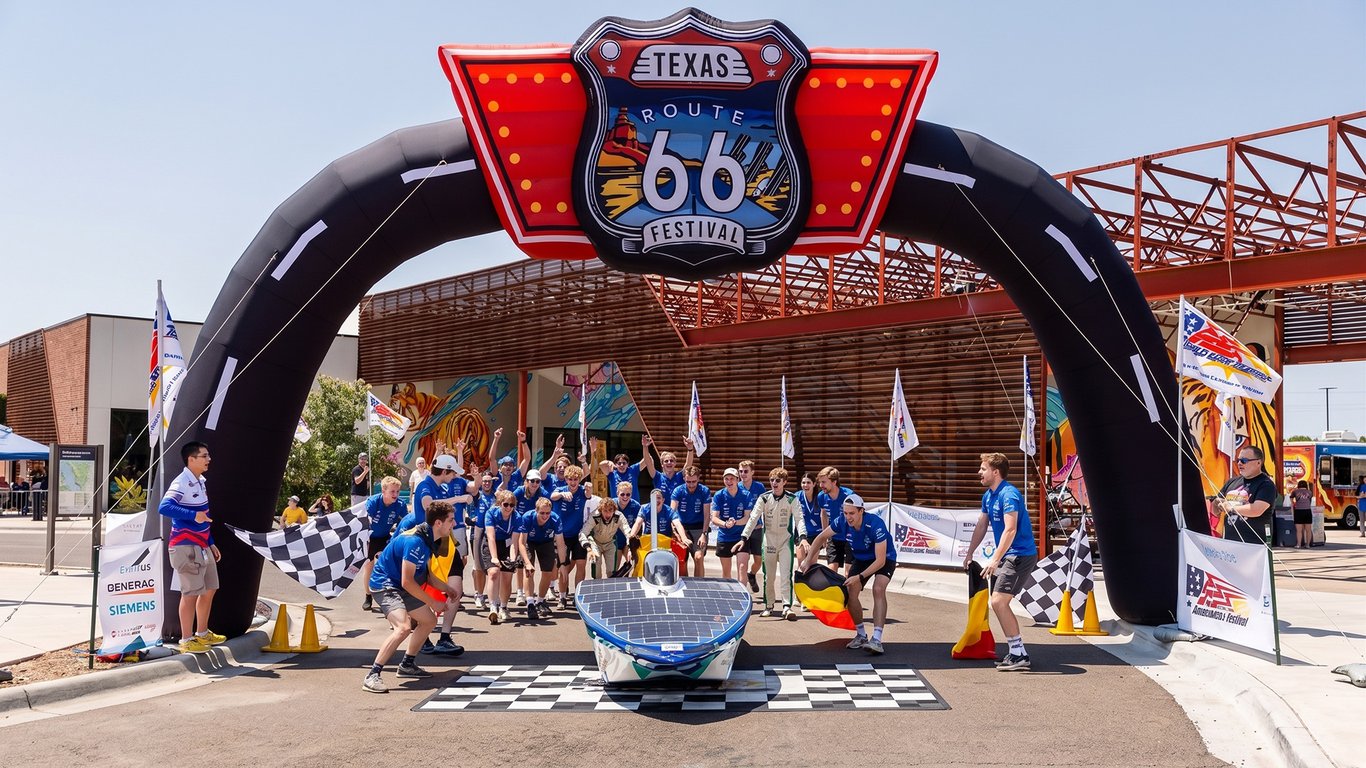
Eight days. Over 1,500 miles of American backroads. Spotty cellular coverage. For Innoptus Solar Team, tackling the American Solar Challenge meant overcoming connectivity gaps across the most remote stretches of the route. With Peplink on board each convoy vehicle to integrate 5G and Starlink, the team stayed connected throughout the race on its way to becoming the first European team to win.
Summary
Organization
Innoptus Solar Team, a student engineering team from KU Leuven that designs and races solar-powered cars
Application
Race operations, team communications, live tracking, and livestreaming
Solution Provider
Venn Telecom (Peplink Reseller)
Peplink Deployment
BR1 Pro 5G, Antenna MAX S, FusionHub, SpeedFusion, and InControl
Project Scope
Eight-vehicle support convoy
Outcome
Zero downtime throughout the eight-day race
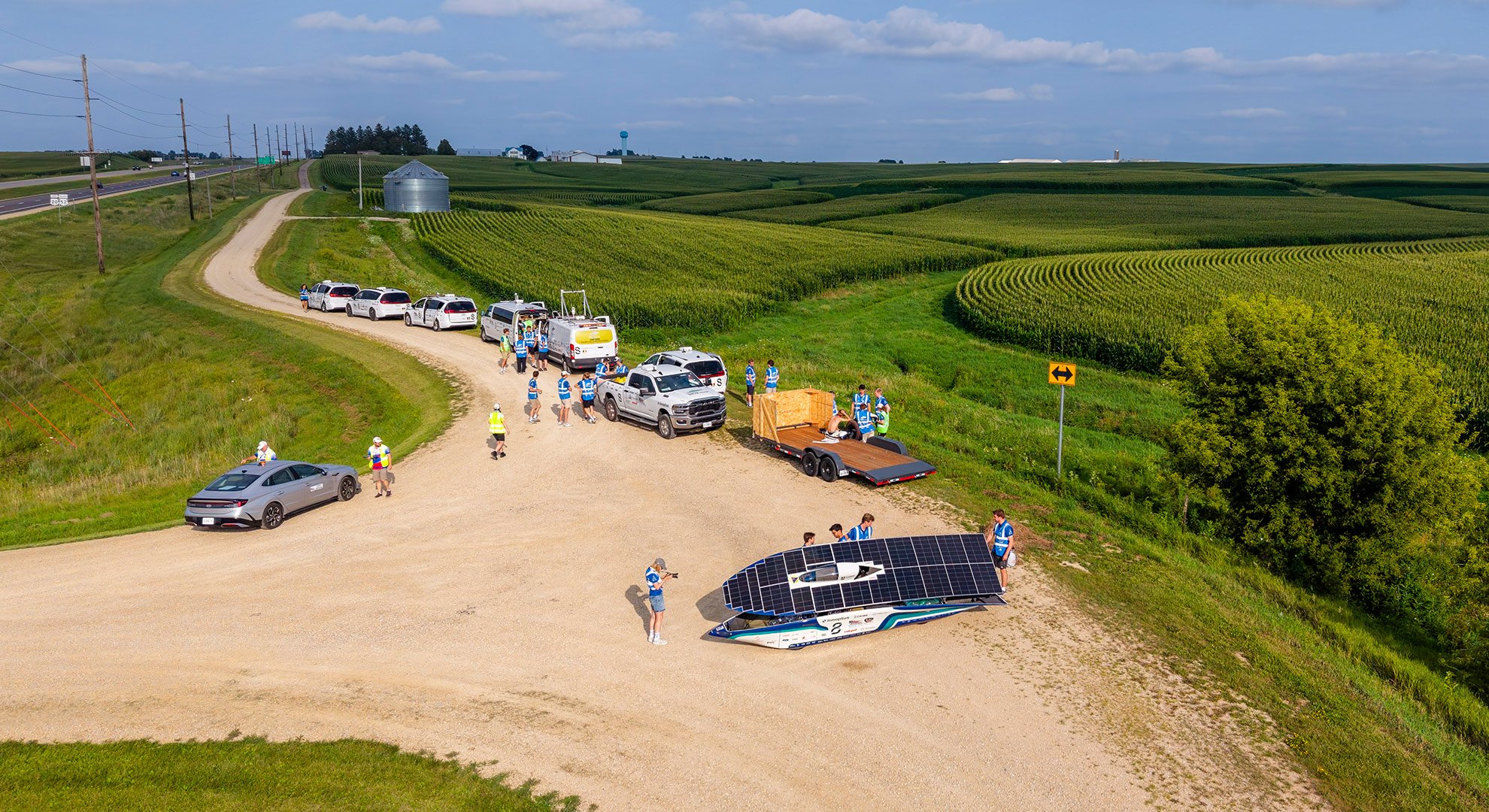
Unlike a closed-circuit race, the American Solar Challenge sends student teams and their solar cars across the country on public roads. The 2026 route from Minneapolis to Amarillo crossed remote areas where cellular coverage couldn't be taken for granted. For a team that relied on continuous, real-time tracking to guide its race decisions and wanted to livestream the race to fans, that was a real problem.
To stay connected with the strategy team in Belgium and keep fans in the loop, Innoptus turned to Peplink partner Venn Telecom for the connectivity behind its support convoy. The deployment combined 5G and Starlink into a resilient hybrid network that held up throughout the race.
The Challenge
Staying Connected Across a Changing Route
Across a route this long and varied, different parts of the journey called for different connectivity options. 5G delivered fast connectivity wherever cellular coverage reached, while Starlink added a high-speed satellite path well suited to the open, remote areas in between.
But neither path was available all of the time. Cellular coverage thinned out for long stretches, and Starlink could be interrupted by obstructions such as tree cover and terrain while the vehicles were moving.
Having two Internet connections was only part of the solution. The hard part was getting them to work as one network that never dropped, without anyone in the convoy managing the switch by hand.
That mattered because the one thing Innoptus needed most was real-time tracking it could count on throughout the race. The team relied on live data to adjust how it ran the car, such as conserving energy ahead of lower solar irradiance or adapting speed to changing wind conditions.
The convoy therefore needed a network that could draw on both connectivity paths while keeping live tracking and critical communications consistently available.
The Solution
Building a Resilient Network with 5G and Starlink
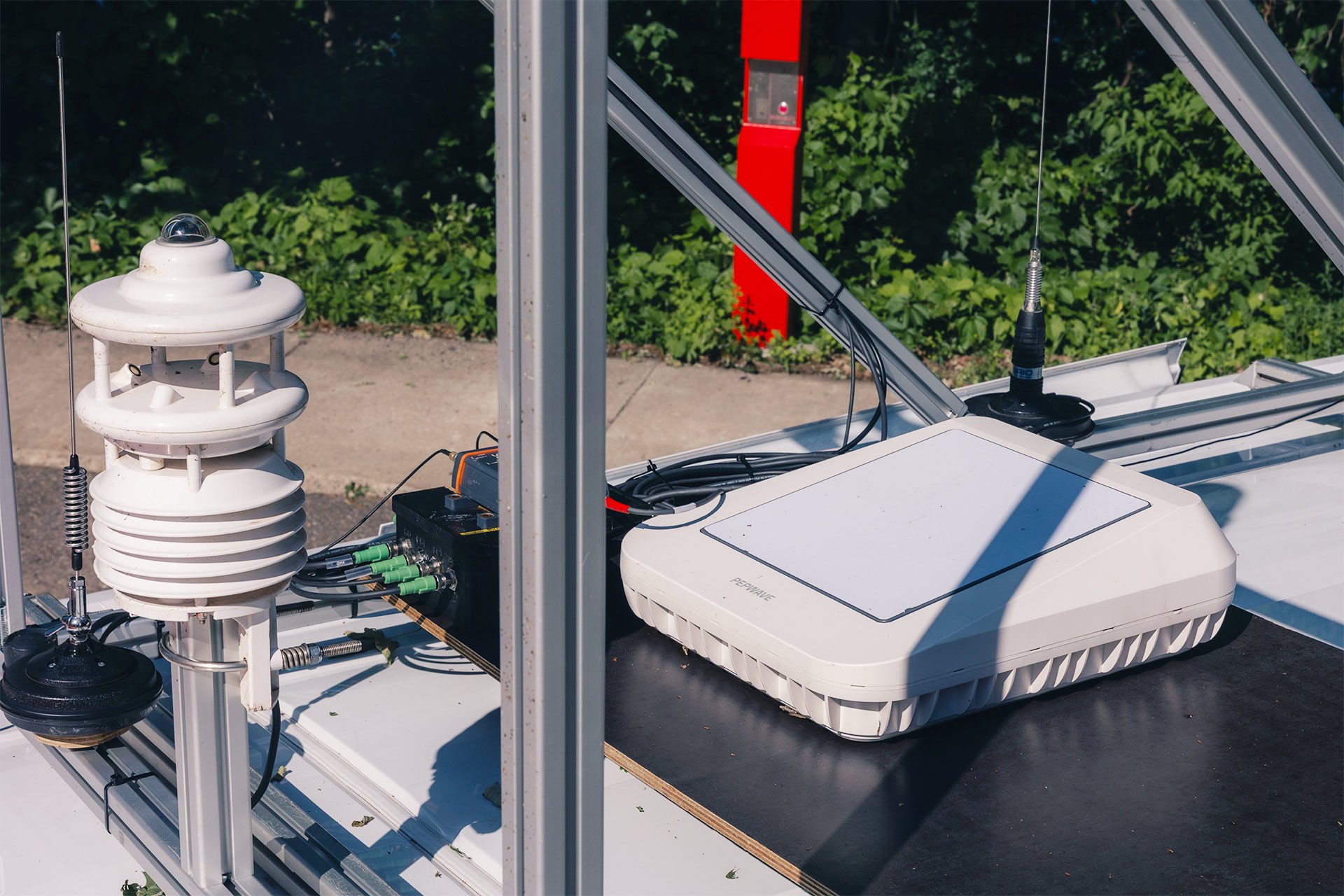
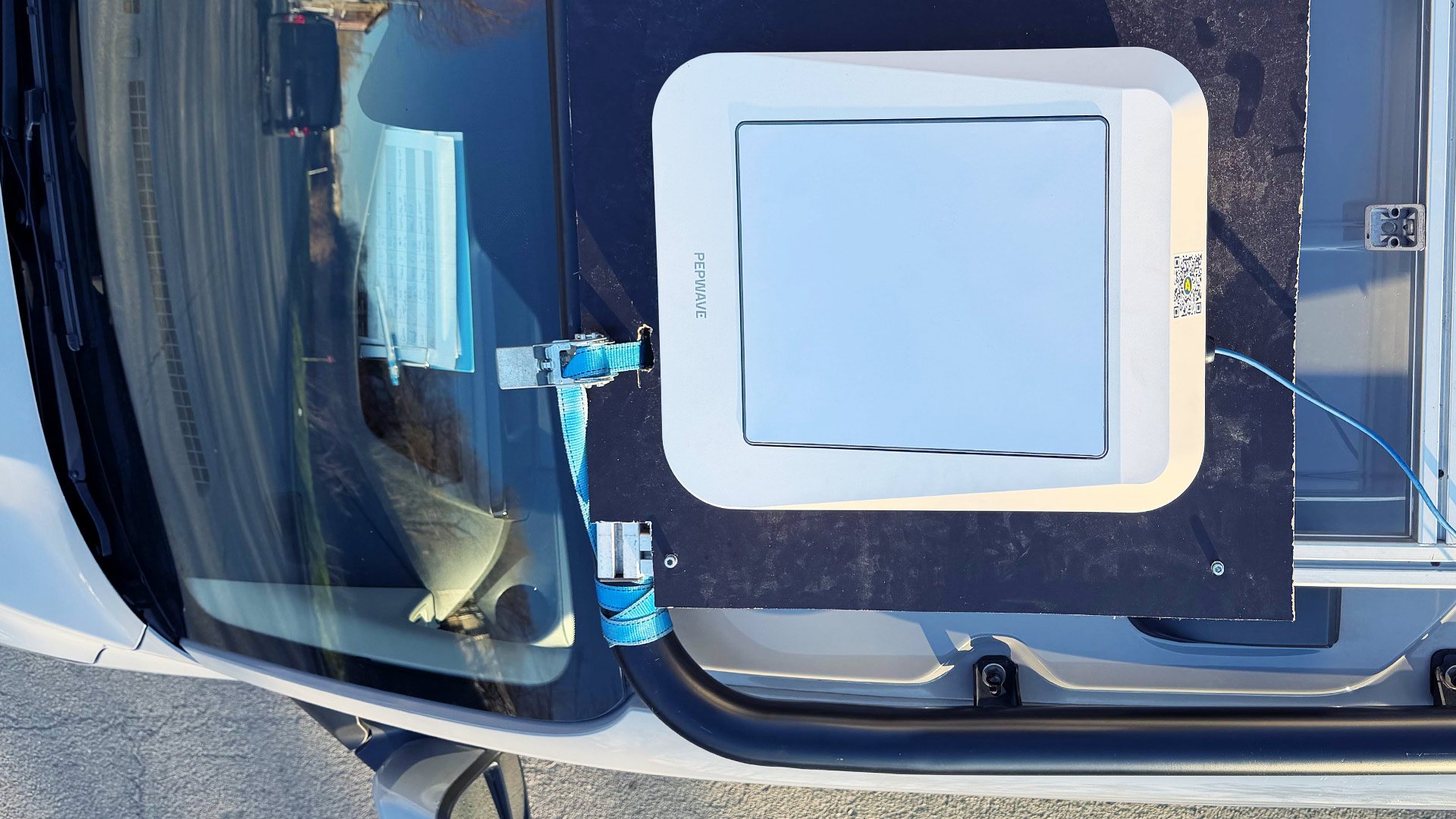
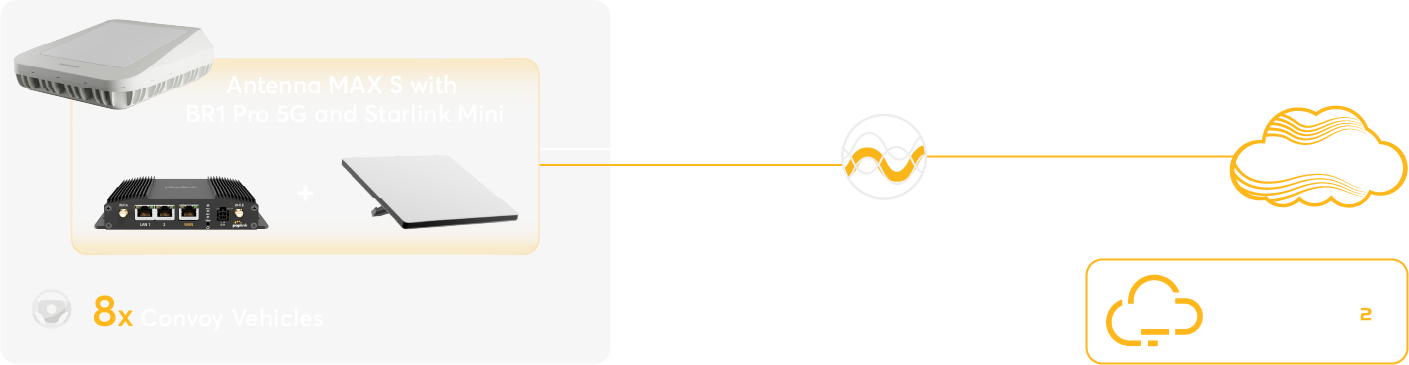
Each of Innoptus Solar Team's eight convoy vehicles was equipped with a BR1 Pro 5G and Starlink Mini, integrated into a weatherproof Antenna MAX S setup. That gave every vehicle two independent WAN paths: 5G and Starlink.
FusionHub was deployed as the team's central endpoint. It let all eight vehicles establish SpeedFusion tunnels back to the home team, so every vehicle sat on the same managed network no matter where it was.
With those tunnels in place, SpeedFusion could tie the two onboard paths together across the convoy. Both connections stayed active throughout the race, and when either one dropped, Hot Failover moved traffic to the other automatically. No manual switching, no dropped sessions.
All eight vehicle networks were remotely managed through InControl, giving the team centralized visibility and control over the whole fleet. InControl also provided visibility into Starlink status and diagnostics, allowing the team to monitor both connectivity paths from a single interface.
The Result
Uninterrupted Tracking. Timely Decisions. A Historic Win.
SpeedFusion kept 5G and Starlink working as one connection for eight straight days. Zero connectivity downtime, from the start line to the finish.
With continuous connectivity, the team could combine real-time data from the car with satellite imagery and weather forecasts to build a clearer picture of conditions ahead. This was critical. The team used it to make timely, accurate calls on energy consumption and speed. In a race spanning thousands of miles, small margins decide the result.
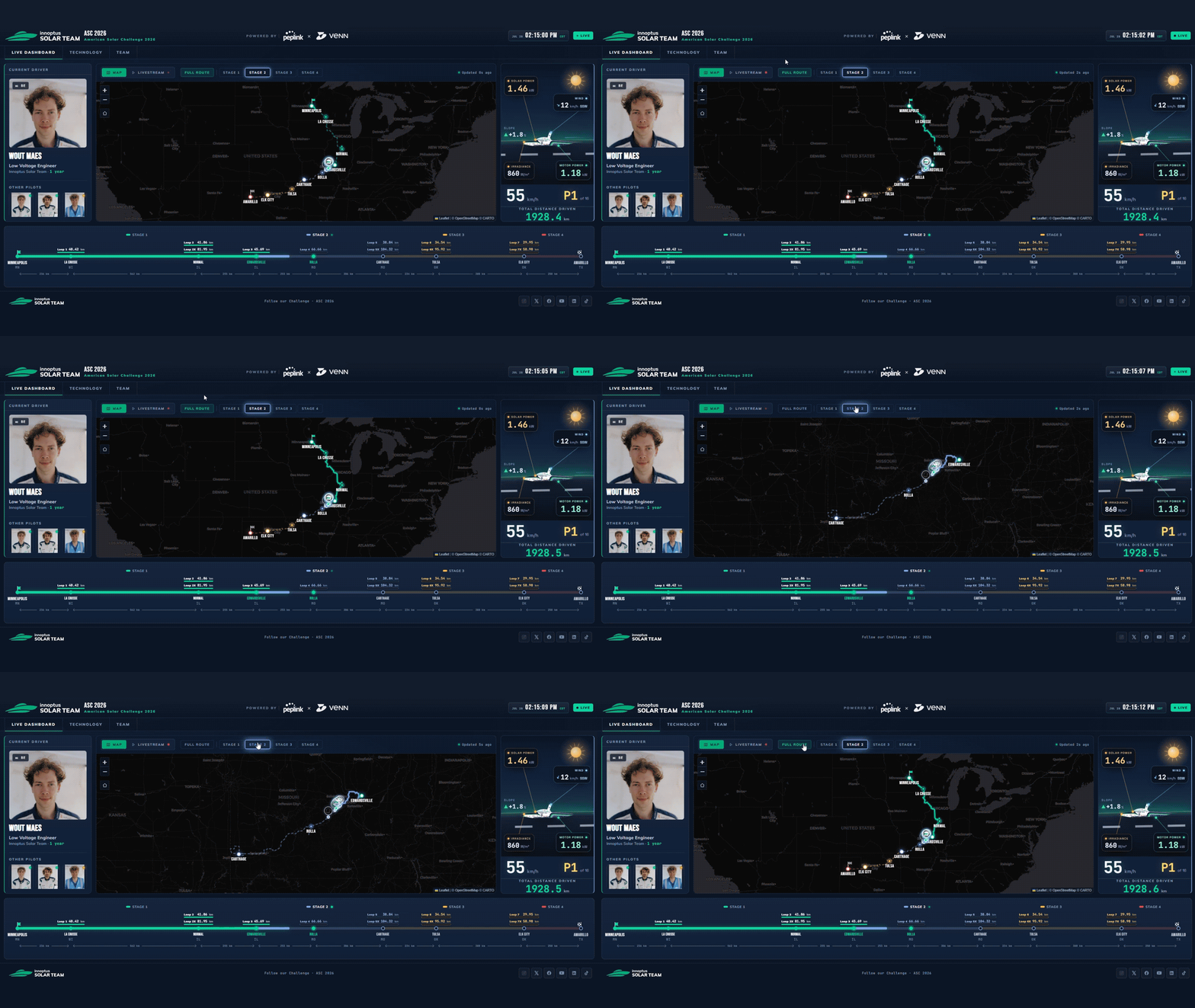
Selected race data was also synchronized to a public dashboard. Together with livestreaming, this gave fans around the world a real-time view of the car and its progress throughout the race.
When a device on the convoy needed support mid-race, Venn Telecom handled it remotely through InControl without requiring on-site intervention. With connectivity running behind the scenes, the team could focus entirely on the race.
From the busy start in Minneapolis to the most remote stretches of the route, Peplink gave Innoptus the reliability and visibility to keep moving. The team crossed the finish line as the first European winner of the American Solar Challenge.
Testimonials
"For the American Solar Challenge, we equipped all our convoy vehicles with Peplink technology, giving us Starlink connectivity, reliable performance and real-time location tracking throughout the race. The convoy had one purpose: to help our solar car travel as far as possible. Peplink kept the whole convoy connected and coordinated, so we could manage our logistics, communication, and support seamlessly across thousands of miles, even in the most remote parts of the route. In a race where every mile counts, this connectivity let our team focus on what mattered most: keeping the solar car moving, all the way to first place."
Marie-Johanna Schillemans
"The Antenna MAX S units on our convoy cars were fantastic. Every time the 5G or Starlink connection dropped, Peplink's SpeedFusion seamlessly switched to the other, keeping us online without interruption. We also used InControl to enable GPS forwarding on all our units, letting us track every convoy car live on our dashboard."
Quinten Duyck


Deployment Architecture
Featured Products
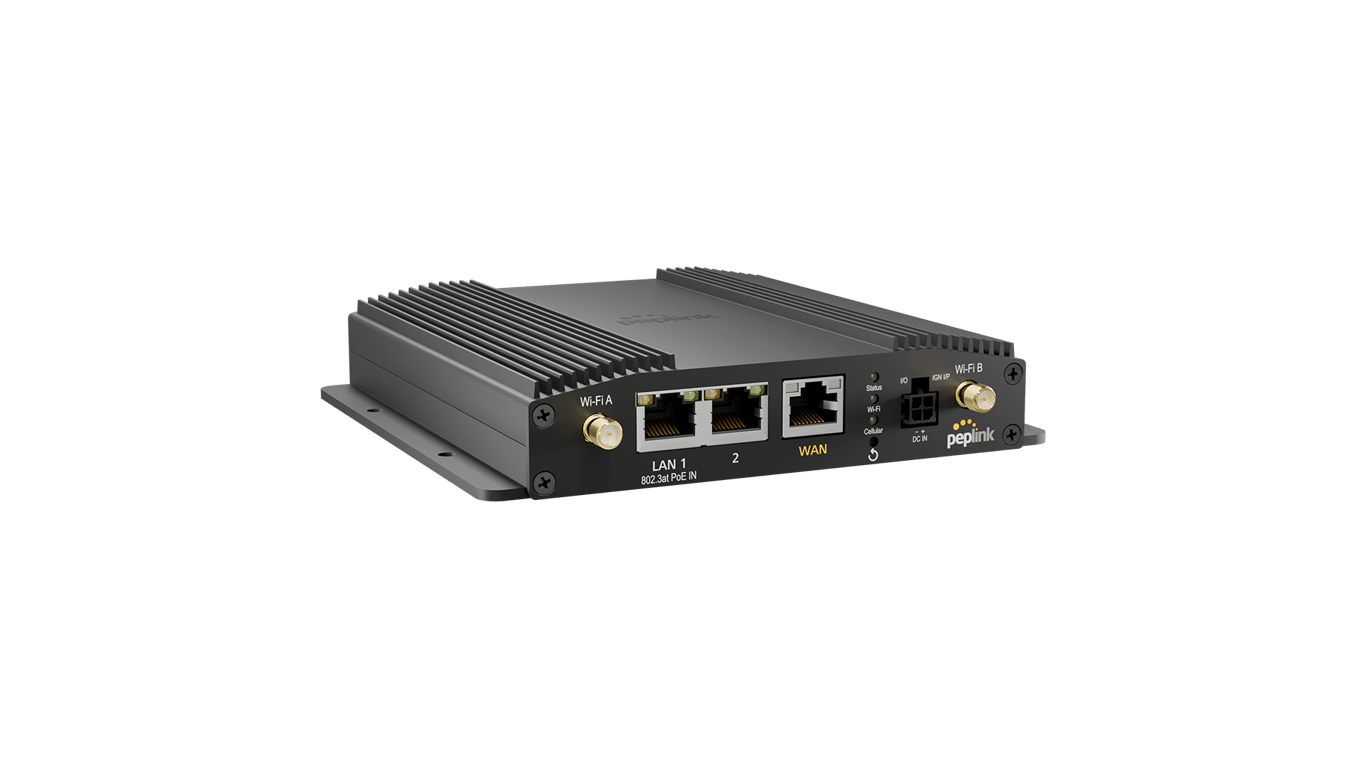
BR1 Pro 5G
-
Provides 5G connectivity for each convoy vehicle with its built-in modem
-
Connects Starlink alongside 5G to provide two WAN connections
-
Built rugged for demanding vehicle environments
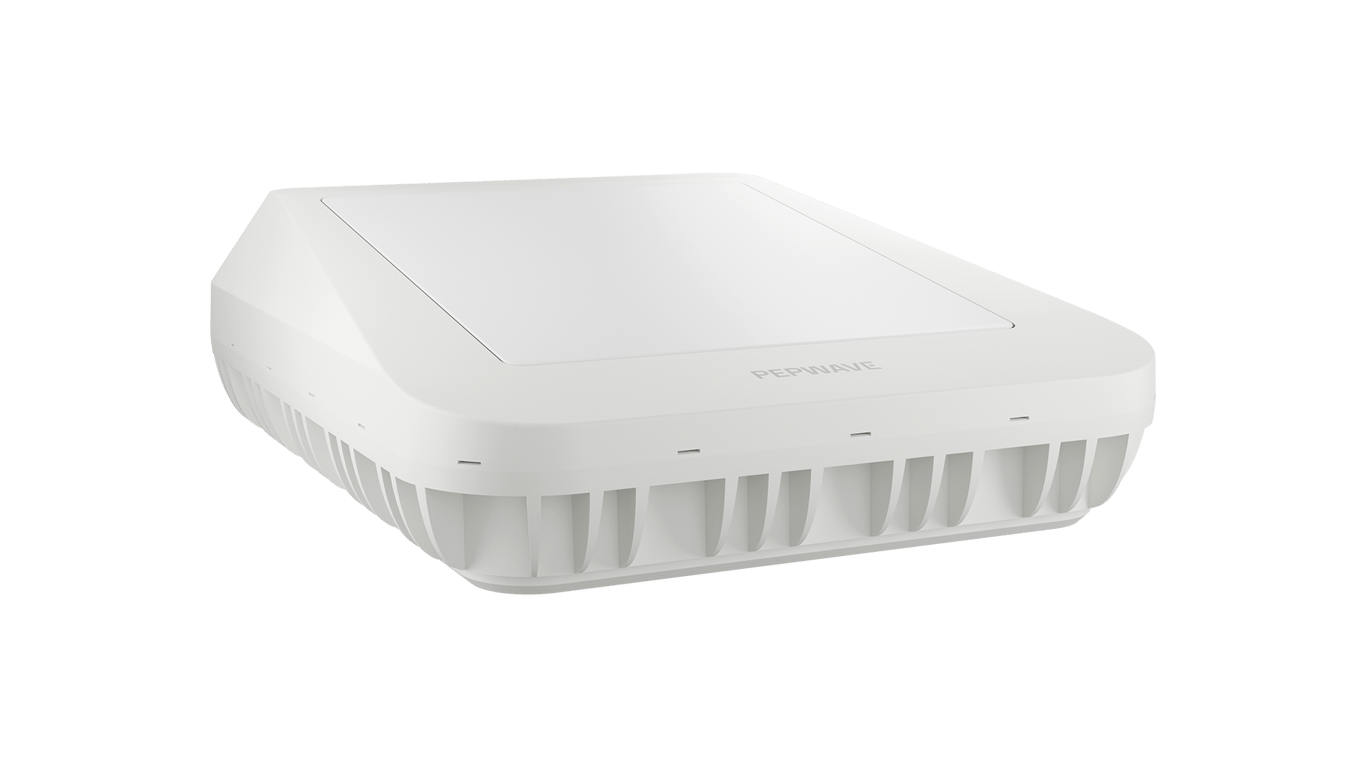
Antenna MAX S
-
Provides a weatherproof enclosure for rooftop vehicle deployment
-
Integrates the BR1 Pro 5G and Starlink Mini into a single unit, streamlining installation and management
-
Improves signal reception for the BR1 Pro 5G with built-in antennas while minimizing cable loss
FusionHub
-
Serves as the team's central endpoint without requiring a physical router
-
Establishes SpeedFusion tunnels with all eight BR1 Pro 5G routers
-
Enables SpeedFusion technologies across the convoy
SpeedFusion
-
Uses 5G and Starlink simultaneously
-
Provides seamless backup with Hot Failover
-
Keeps applications online without manual intervention
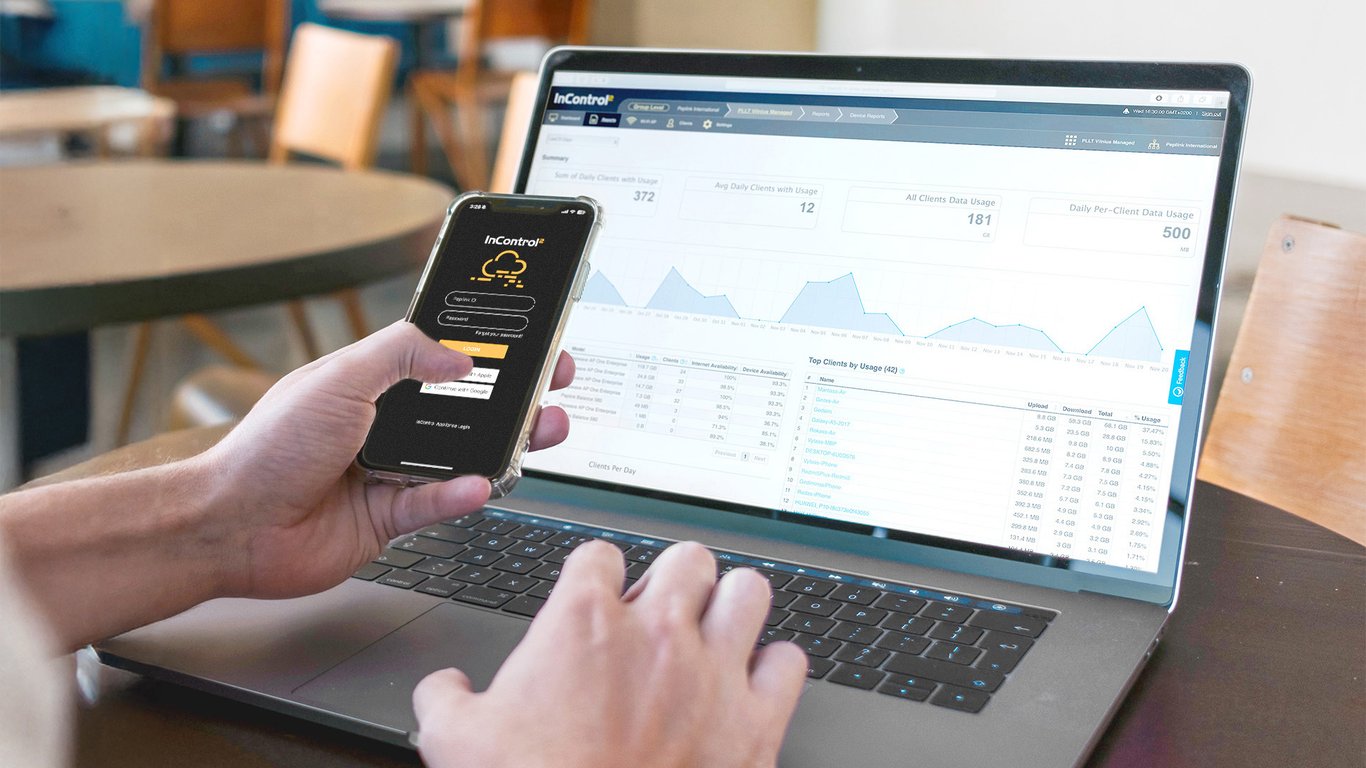
InControl
-
Centralizes visibility and remote management across all eight vehicles
-
Provides visibility into Starlink status and diagnostics
-
Enables GPS location tracking for the convoy
FAQs
Q1. What connectivity do race operations require, and how does Peplink support them?
A.
Race operations require reliable connectivity for real-time communications, vehicle tracking, data sharing, and livestreaming throughout an event. Peplink supports these requirements with purpose-built connectivity hardware and SpeedFusion technologies that help maintain network availability across changing connectivity conditions.
For the Innoptus Solar Team, BR1 Pro 5G routers, Starlink Mini, and Antenna MAX S provided connectivity across an eight-vehicle support convoy during the American Solar Challenge.
Peplink has also provided RLL Racing with a portable, redundant network to keep its race operations connected throughout the competition. Explore the RLL Racing case study to see how Peplink supports connectivity in professional motorsports.
Q2. How can 5G and LEO satellite connectivity complement each other in mobile deployments?
A.
Both 5G and LEO satellites can provide fast, low-latency connections, with each suited to different operating environments. 5G is well suited to areas with strong cellular coverage, while LEO satellite connectivity extends reach into open or remote locations where cellular networks thin out. Used together, they cover a far wider range of environments than either would alone, and the network can shift between them as conditions change.
In the Innoptus deployment, the race route crossed more than 1,500 miles and a wide variety of terrain. Combining 5G and Starlink let the team stay connected across all eight support vehicles for the full eight-day race, with each path contributing where it was strongest.
Peplink offers a range of Starlink integration features and purpose-built hardware designed to meet different industry and connectivity requirements. Explore our Starlink Solution to learn more.
Q3. How can vehicles maintain reliable connectivity while on the move?
A.
Staying connected on the move depends on having more than one WAN path and the ability to switch between them the moment one is interrupted. Automatic failover handles that switch without anyone stepping in, so applications keep running even as conditions change.
Peplink's SpeedFusion Hot Failover makes this transition invisible to users and applications, so a session in progress, such as live tracking, keeps running rather than dropping. For Innoptus, this kept all eight support vehicles online throughout the race and contributed to zero connectivity downtime over eight days.
The same approach applies to survey crews, broadcast units, emergency response fleets, and mobile command operations, where vehicles cover long distances and connectivity conditions change constantly.
Q4. How can connectivity across a fleet of vehicles be managed remotely?
A.
Managing connectivity across a vehicle fleet requires centralized visibility and remote access capabilities, so teams can monitor network status, adjust configurations, and troubleshoot without being physically on site.
Peplink’s InControl provides a single dashboard for the entire fleet, with visibility into Starlink connectivity alongside the Peplink network. In the Innoptus deployment, this enabled the team to manage connectivity across all eight support vehicles and allowed Venn Telecom to provide remote support when needed.
Next Steps

Looking for a Connectivity Solution?
Whether you're planning an event, a remote deployment, or a complex network, our team can help you find the right Peplink setup for the job.
Talk to a Specialist

Got a Peplink Deployment Story?
If you've built something impressive with Peplink, we want to hear about it. Share your project with us and we'll help turn it into a case study.
Share Your Story