Summary
The Challenge
The Solution
The Result
Gallery
Deployment Architecture
Featured Products
FAQs
Next Steps
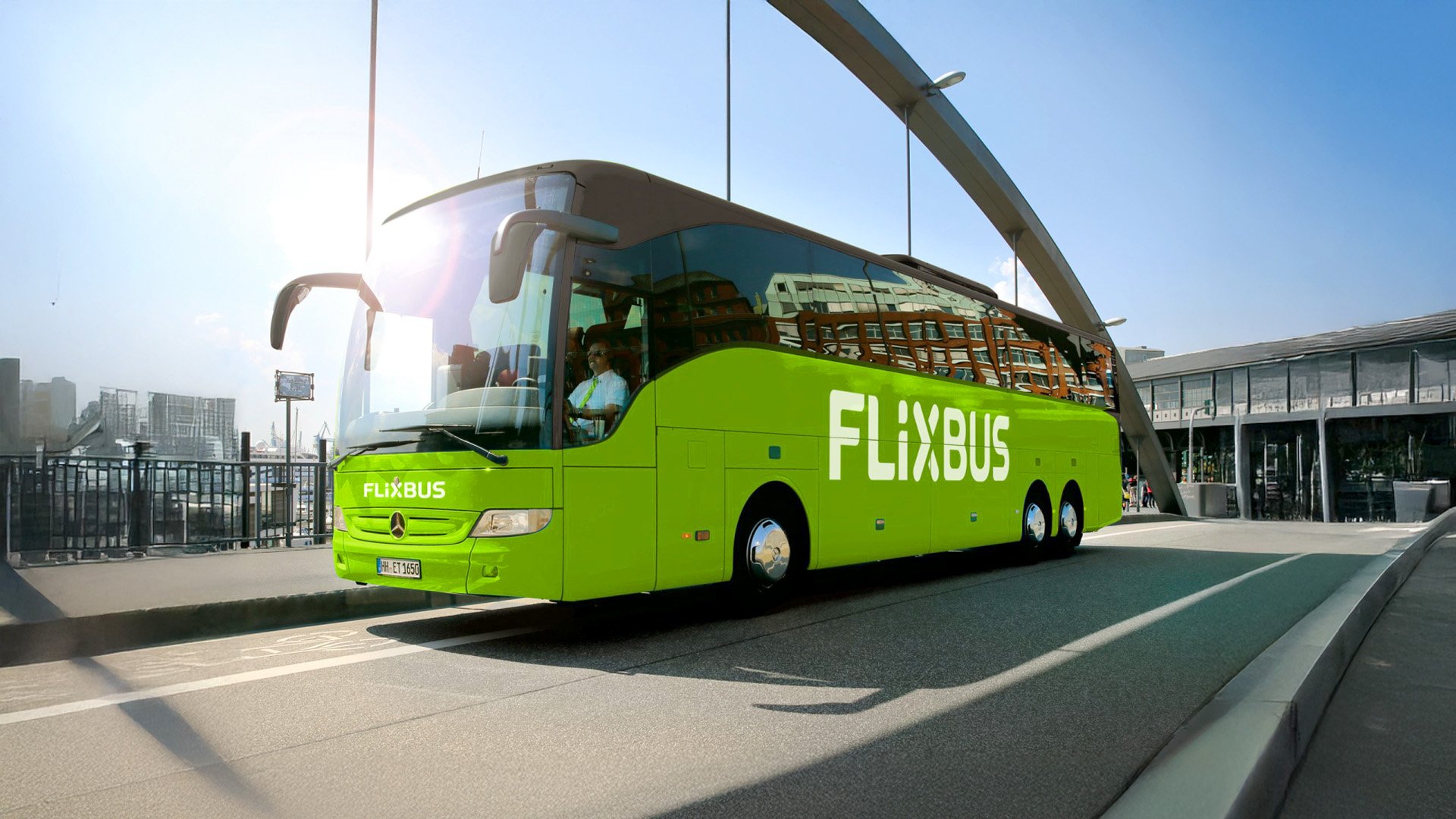
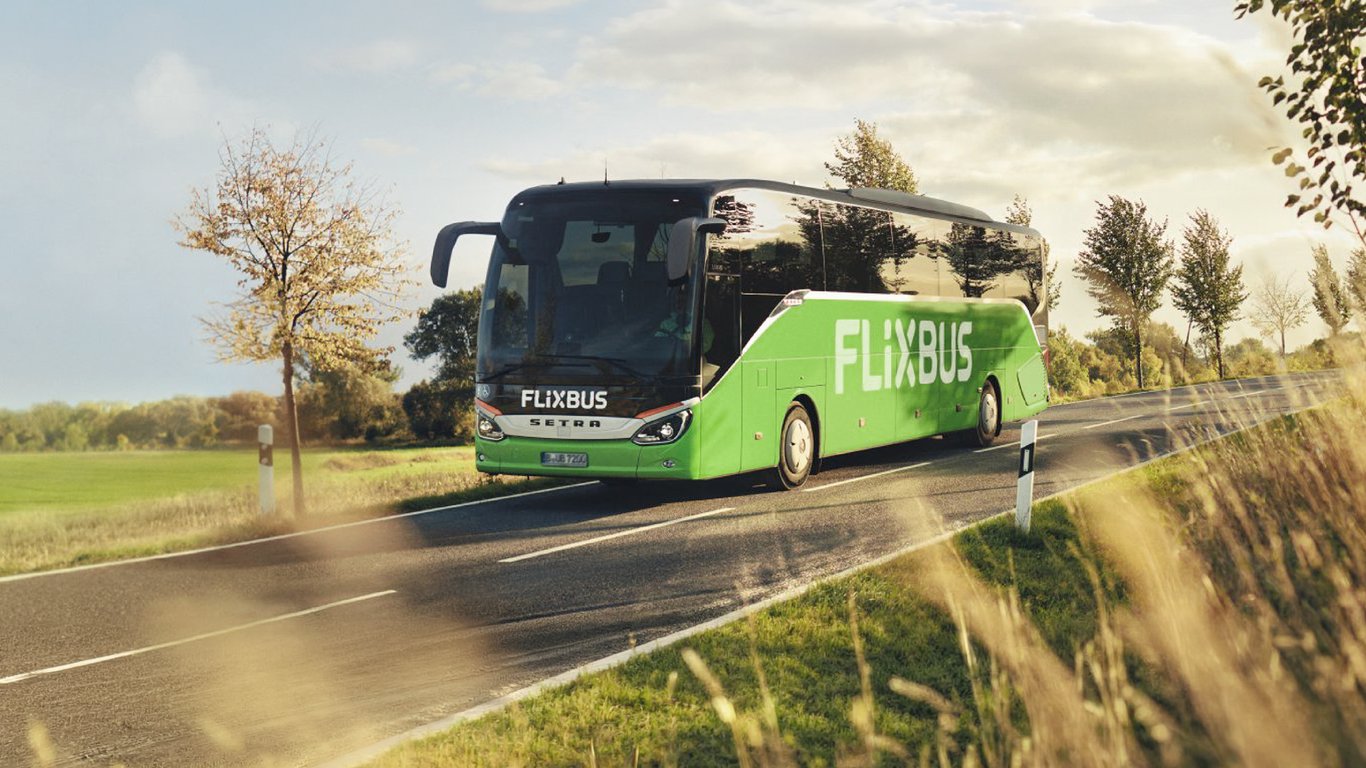
A green FlixBus coach driving on a tree-lined country road, one of around 1,700 Flix vehicles running passenger Wi-Fi with Peplink.

Back to List

A green FlixBus coach driving on a tree-lined country road, one of around 1,700 Flix vehicles running passenger Wi-Fi with Peplink.
2025

FINALIST

Deployment Excellence Awards

The Largest Deployment

Flix Keeps Its Fleet Connected Across Borders with Peplink

On a cross-border FlixBus trip, the next carrier’s SIM isn’t on the bus. It’s waiting in a datacenter. Around 1,700 Peplink routers and InControl keep the Flix fleet and its passenger Wi-Fi online, switching carriers at every border from a central pool of more than 700 carrier SIMs, with no one touching the hardware.

Summary

Organization

Flix (global mobility provider, operator of FlixBus)

Application

Multi-carrier cellular connectivity across borders, powering free passenger Wi-Fi with a custom captive portal

Solution Provider

RebelRoam (Peplink Reseller)

Peplink Deployment

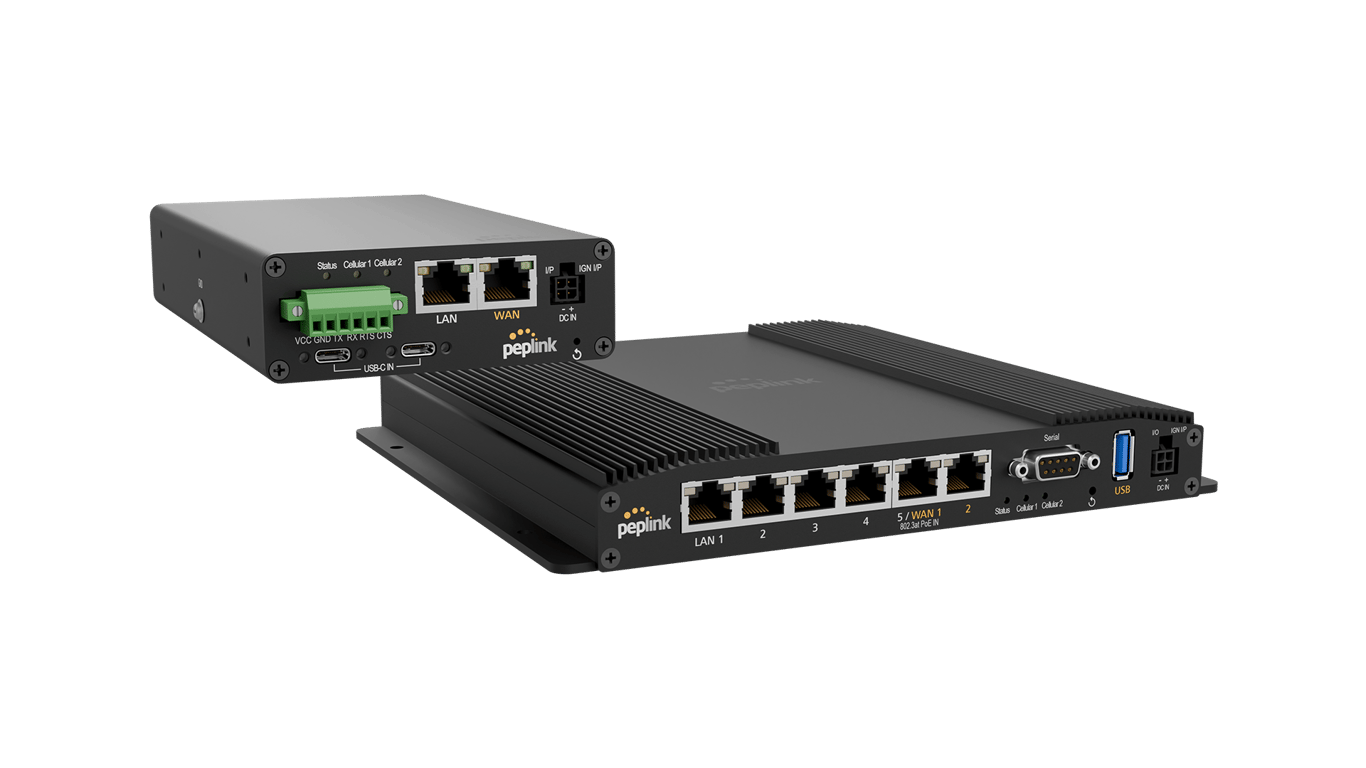
Dual-cellular mobile routers and InControl

Project Scope

Around 1,700 Peplink routers across Europe and the Americas, with more than 700 carrier SIMs

Outcome

Carrier changes at borders with zero SIM swaps, one fleet-wide configuration, and an expansion planned to up to 2,500 vehicles

Flix logo in white on a black background.
Flix is a global mobility provider headquartered in Munich, Germany. Its FlixBus and FlixTrain network reaches more than 8,000 destinations in over 40 countries, and more than 500 million passengers have traveled with it. Many passengers use the ride to work, browse or catch up on entertainment, so free onboard Wi-Fi is part of the trip.
For that to work, every router has to stay online as a bus leaves one country’s mobile networks and enters the next. That’s why Flix relies on Peplink, deployed by RebelRoam, to keep its fleet connected.

The Challenge

The Challenge: Every Border Meant Another SIM

FlixBus routes often cross national borders. Each router needed local carrier SIMs for every country on the route, and every new country meant another card to fit and another set of settings to track.
One SIM per country added up to dozens of differing configurations, and each route change made them harder to manage. Every new vehicle meant one more setup to maintain.
Flix needed three things: carrier changes at borders without anyone touching a SIM, one configuration for every vehicle, and a setup new vehicles could join from day one.

The Solution

The Solution: Border Crossings Moved to the Datacenter

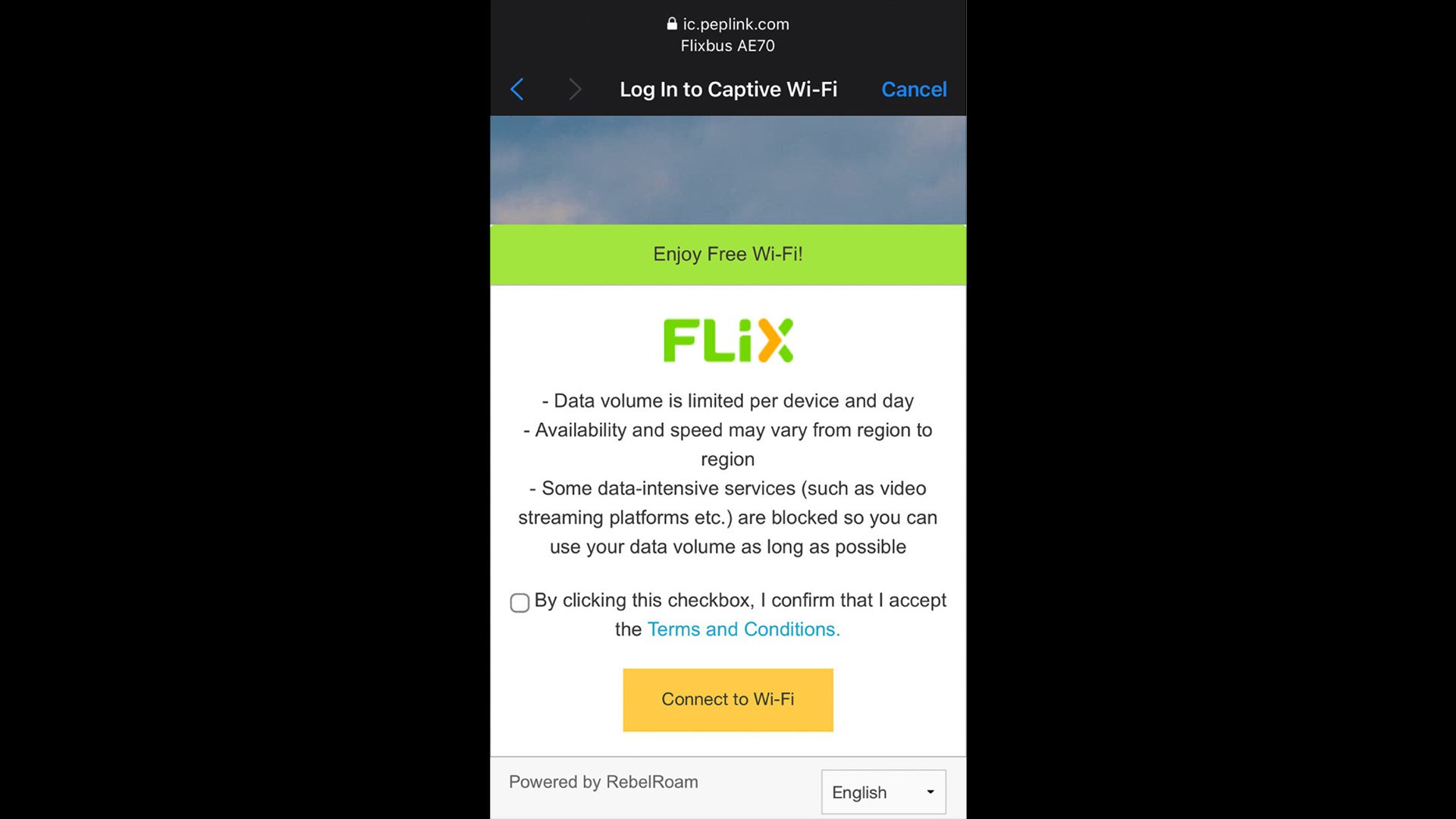
Flix brought in RebelRoam, a Peplink Reseller that specializes in transport connectivity. Together, they installed around 1,700 Peplink dual-cellular mobile routers across the Flix fleet by summer 2024. Each router runs the onboard Wi-Fi that passengers join through a custom captive portal.
The key change: cross-border SIMs now live in a datacenter. More than 700 SIMs from various carriers sit at RebelRoam’s datacenter, ready for use across the fleet. Every router connects to a central management system, so RebelRoam can assign and manage SIMs for each vehicle remotely.
What happens at a border:
A bus approaches the next country.
The central management system assigns the router a different carrier SIM from the datacenter.
The router switches to the new carrier. Failover and load balancing policies, set once for the whole fleet, keep the service running.
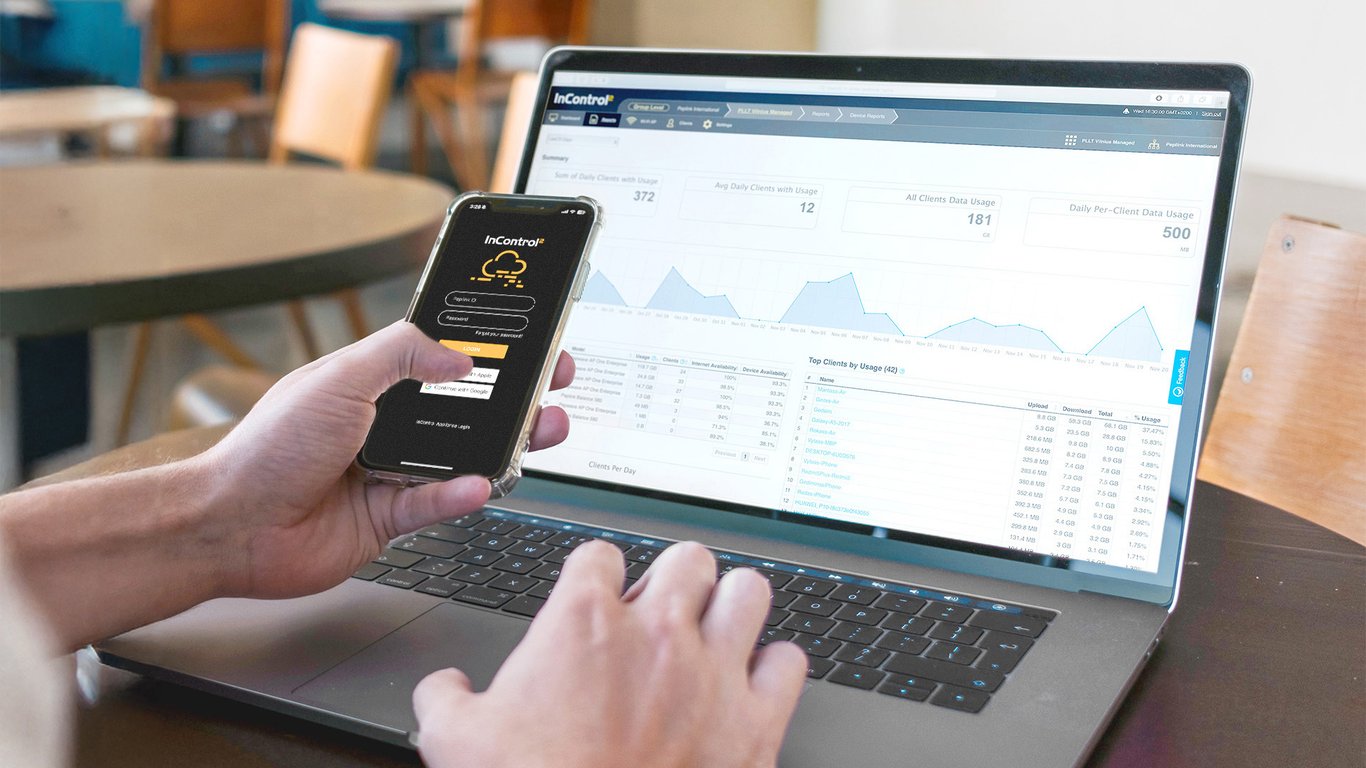
InControl, Peplink’s cloud management platform, pushes that one fleet configuration to every router and lets the team monitor each vehicle remotely, wherever it is on the route.

The Result

The Result: One Configuration, Zero SIM Swaps, Room to Grow to 2,500

Flix now runs its fleet on a single software configuration. New vehicles join on the same setup instead of being built one by one.
With SIMs assigned from the datacenter, crossing a border no longer means anyone handles hardware on the vehicle. Routers are configured remotely across every operational area, which cuts maintenance and support time and cost. Passengers keep their free Wi-Fi from one country to the next.
The results led Flix and RebelRoam to plan an expansion to up to 2,500 vehicles. RebelRoam was also named a Largest Deployment finalist in the 2025 Peplink Innovators: Deployment Excellence Awards.
Peplink supplies the routers and InControl. RebelRoam runs the SIM pool and the fleet setup on top of them. That’s how Peplink partners turn one platform into a business they can run across thousands of vehicles.

Deployment Architecture

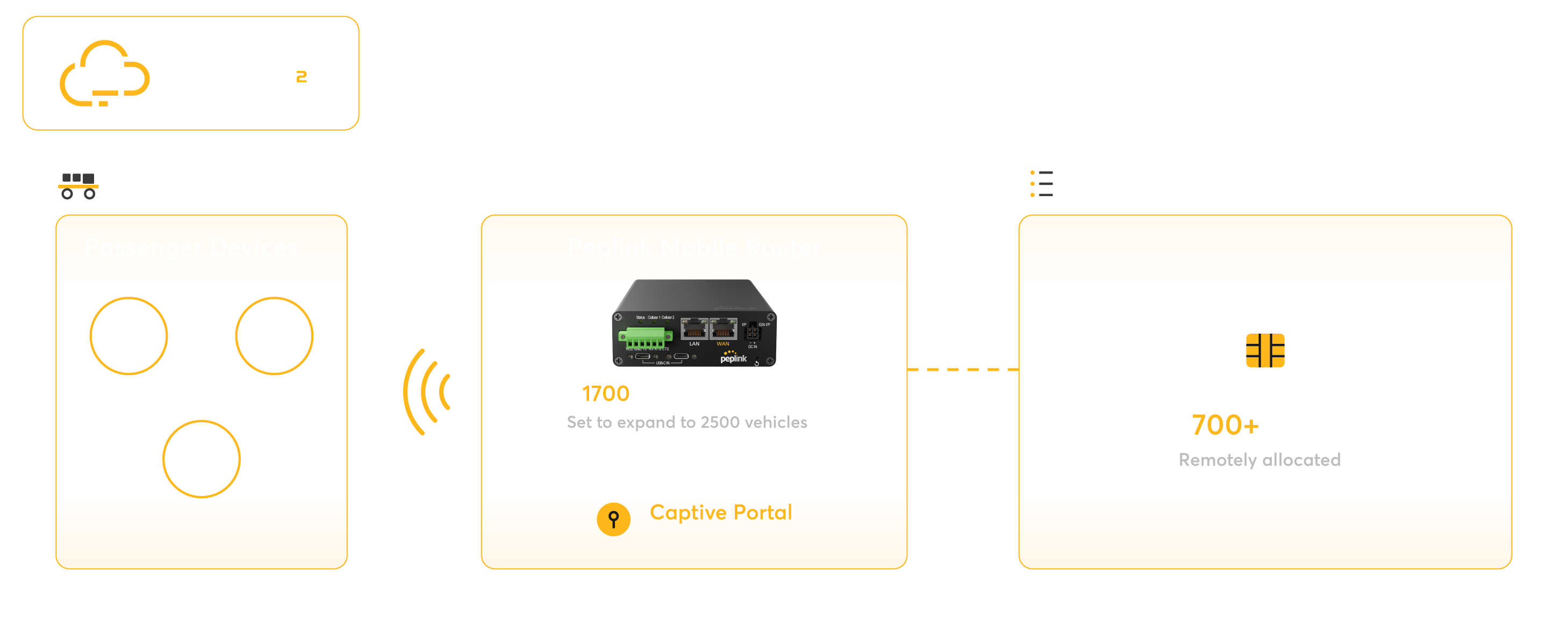
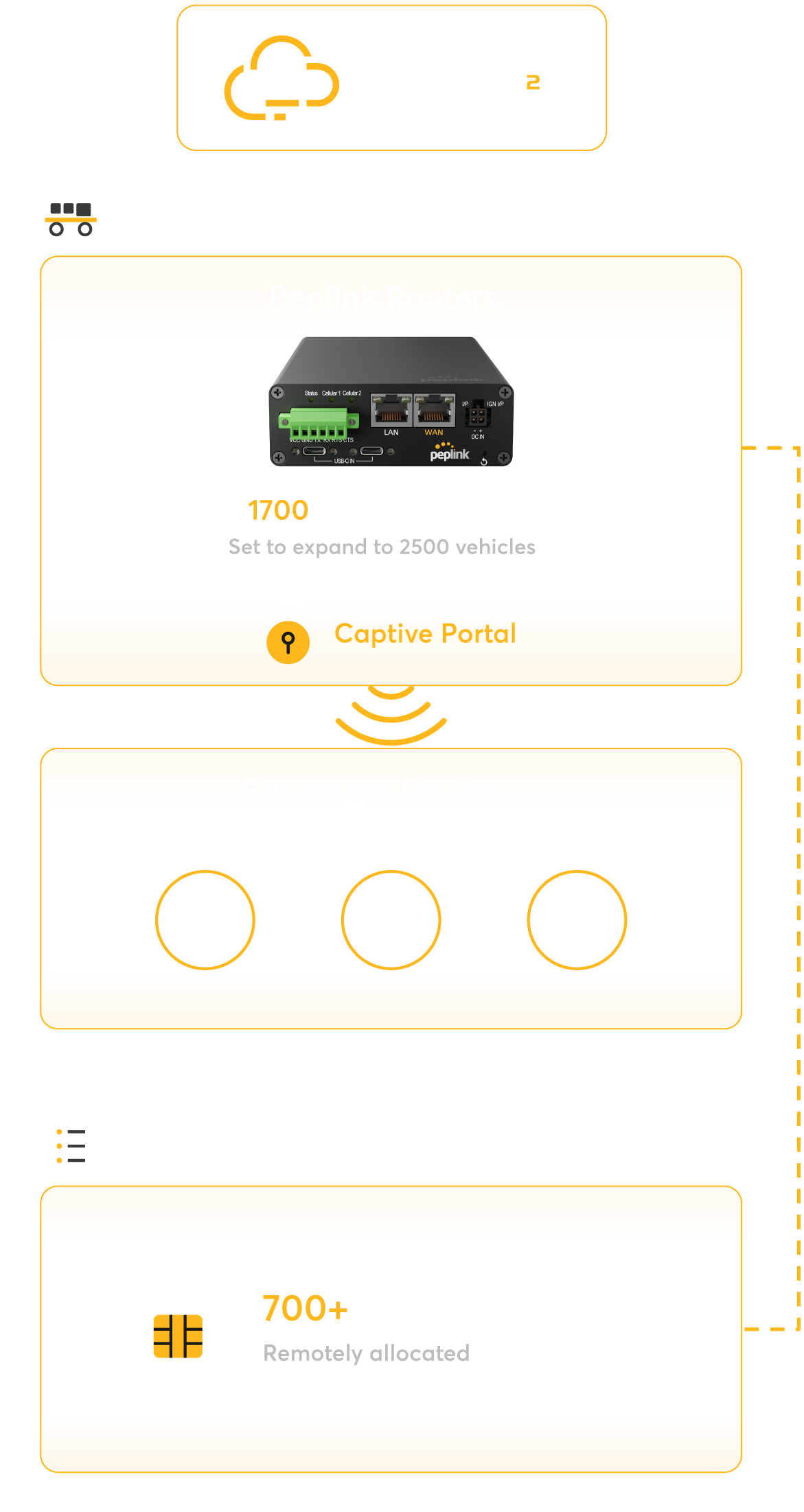
Network diagram showing Peplink routers on Flix buses running passenger Wi-Fi through a captive portal, with 700+ SIMs allocated remotely from the RebelRoam datacenter and managed through Peplink InControl.Network diagram showing Peplink routers on Flix buses running passenger Wi-Fi through a captive portal, with 700+ SIMs allocated remotely from the RebelRoam datacenter and managed through Peplink InControl.

FAQs

Q1. How do fleet operators keep passenger Wi-Fi connected across borders without swapping SIM cards?
A.
Fleet operators keep passenger Wi-Fi connected across borders by holding carrier SIMs in one central location and assigning them to routers remotely, instead of fitting a SIM for every country in each vehicle. On the Flix fleet, more than 700 carrier SIMs sit at RebelRoam’s datacenter, and every Peplink router connects to a central management system that assigns and manages its SIMs remotely. Network preference, failover and load balancing policies are set once for the whole fleet, so the system switches carriers automatically as vehicles move between countries. No one has to swap a SIM on board.
Q2. How do intercity buses stay connected across borders?
A.
Intercity buses stay connected through the cellular links behind their onboard Wi-Fi, and coverage gaps and border crossings are the weak points. On FlixBus routes, each Peplink dual-cellular router draws on SIMs from various carriers, held centrally at RebelRoam’s datacenter. Failover and load balancing policies are set fleet-wide, so the router switches to the best available carrier as the bus moves, including across borders.
Q3. How do passengers connect to onboard Wi-Fi on a managed fleet?
A.
Passengers on a managed fleet connect to onboard Wi-Fi through a captive portal, a web page that opens on the device before it reaches the internet. Flix uses a custom captive portal across its fleet, so passengers connect the same way on any vehicle, and the operator keeps one consistent access experience.
Q4. How does Peplink InControl support router deployment across a large fleet?
A.
Peplink InControl is Peplink's cloud management platform for remote configuration and monitoring. Routers can be configured and monitored from the cloud without on-site access, so a fleet operator doesn't need a technician on each vehicle to change settings. For Flix, InControl lets routers be configured remotely across every operational area on a single software configuration.
Q5. What does it take to roll out passenger Wi-Fi solutions across an existing fleet?
A.
Rolling out passenger Wi-Fi solutions across an existing fleet depends mainly on how consistent each vehicle’s network settings already are. Where every vehicle runs its own settings, most of the work is replacing them with one configuration that can be applied centrally and reused, so vehicles added later join on the same setup instead of being built individually.
Q6. What are Peplink mobile routers built for?
A.
Peplink mobile routers are compact, rugged cellular routers for places where a fixed line is unavailable or impractical, including vehicles, remote sites and IoT deployments. The range runs from single-modem units to dual-cellular models, all managed through InControl. It includes the BR Series for compact deployments and the Transit Series, built for transportation and industrial mobile environments.
Every fleet brings its own route pattern and carrier mix, so the best way to find the right fit is to reach out to a Peplink certified partner or contact our team directly. For more real world examples, see how Peplink enables reliable satellite-backed public transport connectivity and supports school bus Wi-Fi deployments.

Next Steps

Looking for a Connectivity Solution?

Whether you're planning an event, a remote deployment, or a complex network, our team can help you find the right Peplink setup for the job.

Talk to a Specialist

Got a Peplink Deployment Story?

If you've built something impressive with Peplink, we want to hear about it. Share your project with us and we'll help turn it into a case study.

Share Your Story

Contact Us